Brazilian Jiu-Jitsu turns pressure into practice so you can lead with calm, clarity, and confidence when it counts.
Brazilian Jiu-Jitsu is often described as a martial art, but in our experience it functions more like a leadership lab with a uniform. You get real-time feedback, fast problem-solving reps, and a safe place to practice staying composed when you do not have the perfect answer yet. For busy adults and growing kids in Minneapolis, that mix matters.
We also train in a city where winter is long, schedules get tight, and stress shows up in very normal ways. That is why our Brazilian Jiu-Jitsu classes are built around consistency and progress you can actually feel week to week, not just big motivational talk. If you want skills that translate to work, school, and daily life, this is one of the most reliable paths we have seen.
Brazilian Jiu-Jitsu is growing worldwide for a reason. Estimates put the community at about 2.9 million practitioners globally, and the broader market for training, gear, and events continues to expand. Growth is exciting, but it also creates a challenge: retention. A commonly cited issue is that many beginners quit early, especially at white belt. Our job is to make sure you do not become part of that statistic by giving you structure, coaching, and a team culture that makes it easier to keep showing up.
Why Brazilian Jiu-Jitsu builds resilient leaders (not just tougher athletes)
Leadership is not always a big speech or a high-stakes decision. Most of the time, it looks like handling a hard conversation well, adapting mid-project, or setting a steady tone when everyone else is stressed. Brazilian Jiu-Jitsu trains those moments in a physical form you can repeat, refine, and measure.
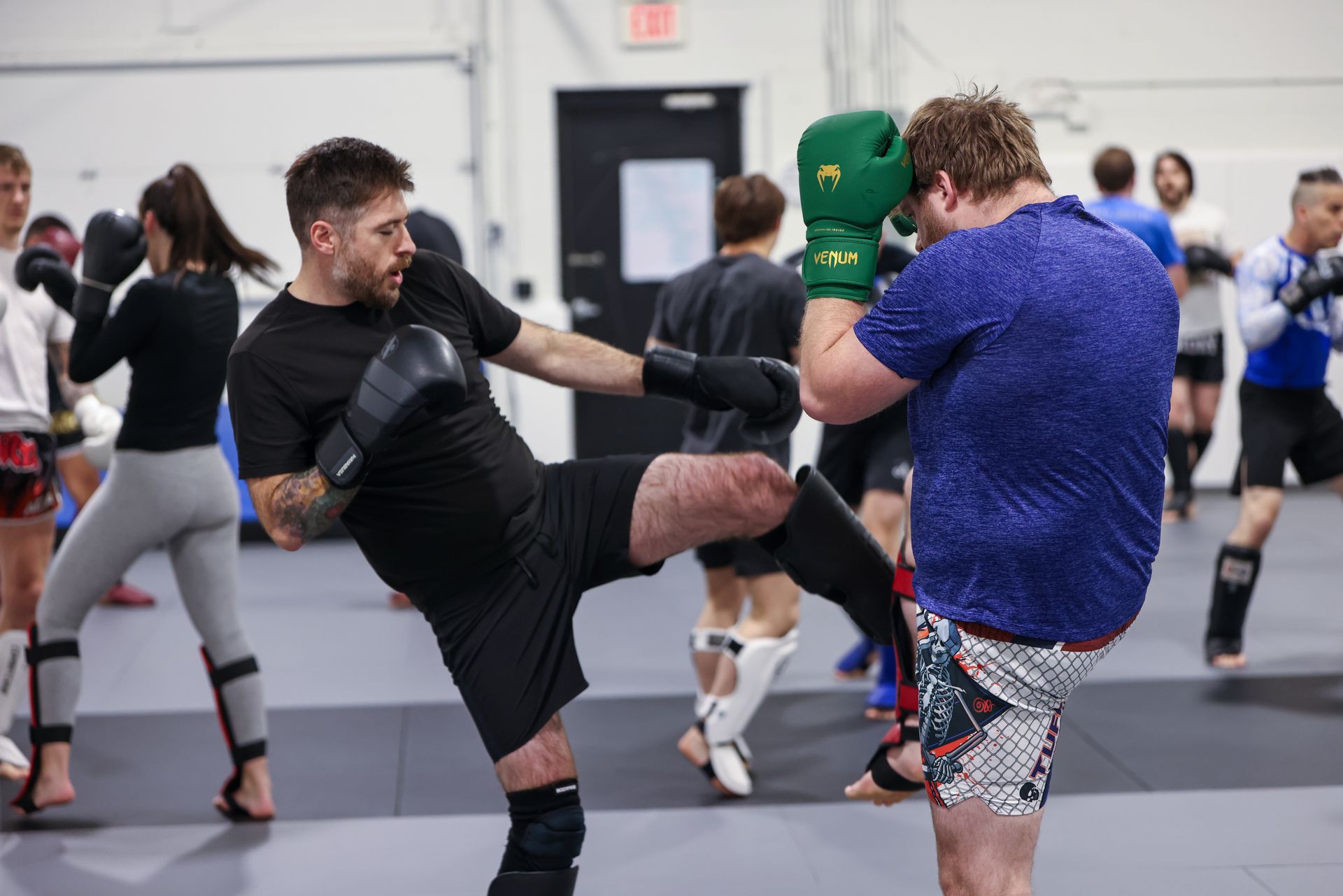
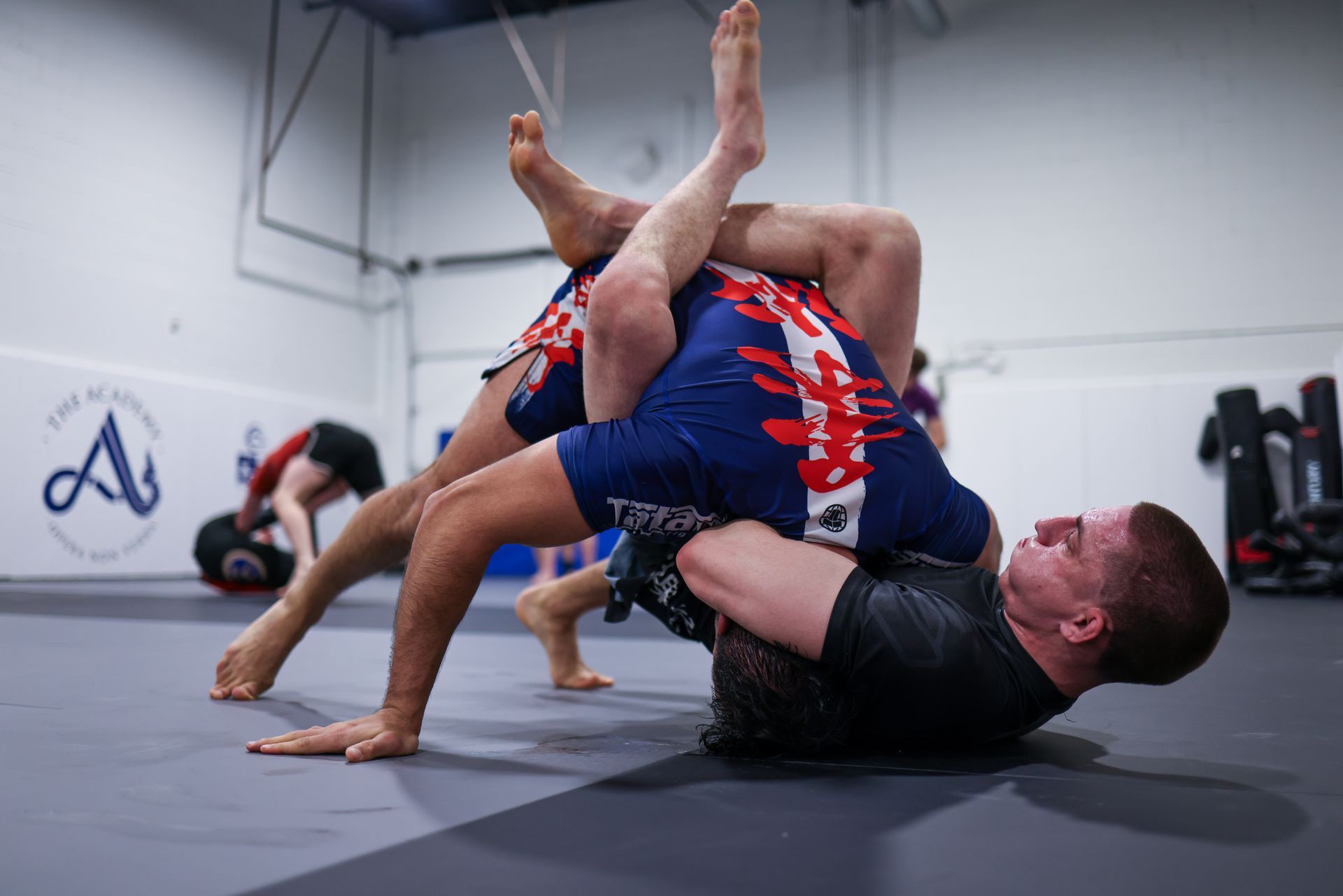
When you spar in a controlled setting, you are essentially practicing three leadership skills at once: composure, decision-making, and accountability. You cannot hide behind excuses on the mat. You either found a solution or you did not, and then you get another chance to try again with better information.
Pressure becomes familiar, not frightening
A lot of people think confidence comes first and action comes second. On the mat, it is usually reversed. You take action in a safe environment, you learn what works, and confidence follows. That is resilience in the most practical sense: you get used to effort, mistakes, and recovery.
Brazilian Jiu-Jitsu also rewards patience. If you rush, you burn energy. If you panic, you make openings for your partner. Learning to breathe, frame, and create space is not just good grappling. It is the same emotional regulation you want in meetings, parenting, or high-pressure jobs.
Problem-solving replaces brute force
Technique wins in Brazilian Jiu-Jitsu when you learn to use timing, leverage, and position. That is part of why it fits so many body types and backgrounds. For leadership, the translation is simple: you learn to solve problems with efficiency rather than intensity.
You will hear us talk about choosing high-percentage decisions. On the mat, that might mean improving position before chasing a submission. Off the mat, it can look like setting priorities, clarifying expectations, and doing the next right step instead of trying to do everything at once.
Minneapolis reality: why resilience is a local advantage
Minneapolis is full of people who carry a lot, sometimes quietly. Professionals navigating deadlines, parents juggling schedules, students managing pressure, veterans and first responders working demanding roles. Resilience is not a trendy concept here. It is a practical need.
Research around BJJ and high-stress communities has pointed to benefits tied to mental health, PTSD management, and overall resilience. One widely discussed example in the broader public safety conversation is how defensive tactics and grappling-focused training can reduce injuries for officers, with one department reporting a 48% reduction in injuries after implementing training. While every environment is different, the takeaway is consistent: when you train smart, you move better under stress, and that can lower risk.
Our goal is to bring that same mindset to everyday Minneapolis life. We keep training progressive and technical, we coach you to pace yourself, and we make sure the room stays respectful. This is not about proving you are tough. It is about building a steady kind of capability.
What leadership looks like on the mat
The word leader can feel abstract, so we like to make it concrete. In Brazilian Jiu-Jitsu, leadership shows up in small, repeatable behaviors that we can coach.
• Showing up on days you feel tired and still doing the basics well
• Partnering safely with someone newer than you and helping create a good round
• Asking questions without ego when a technique does not click yet
• Resetting after a tough roll instead of spiraling into frustration
• Tracking your progress over months, not just class to class
Those habits do not stay in the gym. They follow you into your routines, because you have practiced them hundreds of times.
The hidden benefit: you get comfortable being a beginner
One reason people stall in careers and personal goals is simple: nobody likes feeling new. Brazilian Jiu-Jitsu makes beginnerhood normal. You learn to receive feedback, laugh off awkward moments, and keep learning anyway.
That becomes a leadership advantage. You are more willing to take on new projects, learn new tools, and admit when you need help. It is surprisingly refreshing, honestly.
Our class experience: structure that keeps beginners progressing
A big reason beginners quit is that classes can feel random. You might learn a move, but not understand when to use it. Or you might spar too soon without a clear plan, and that can be discouraging.
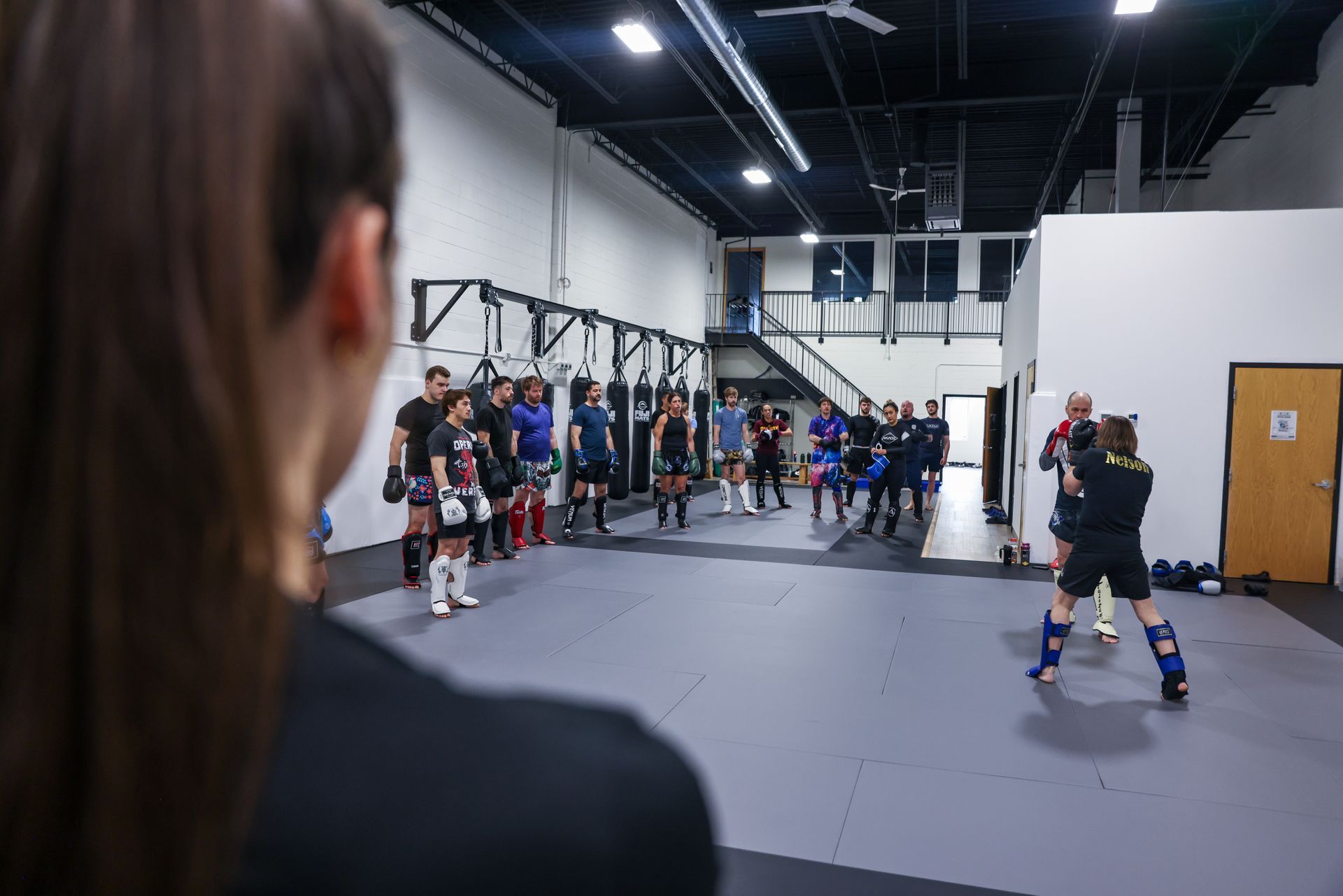
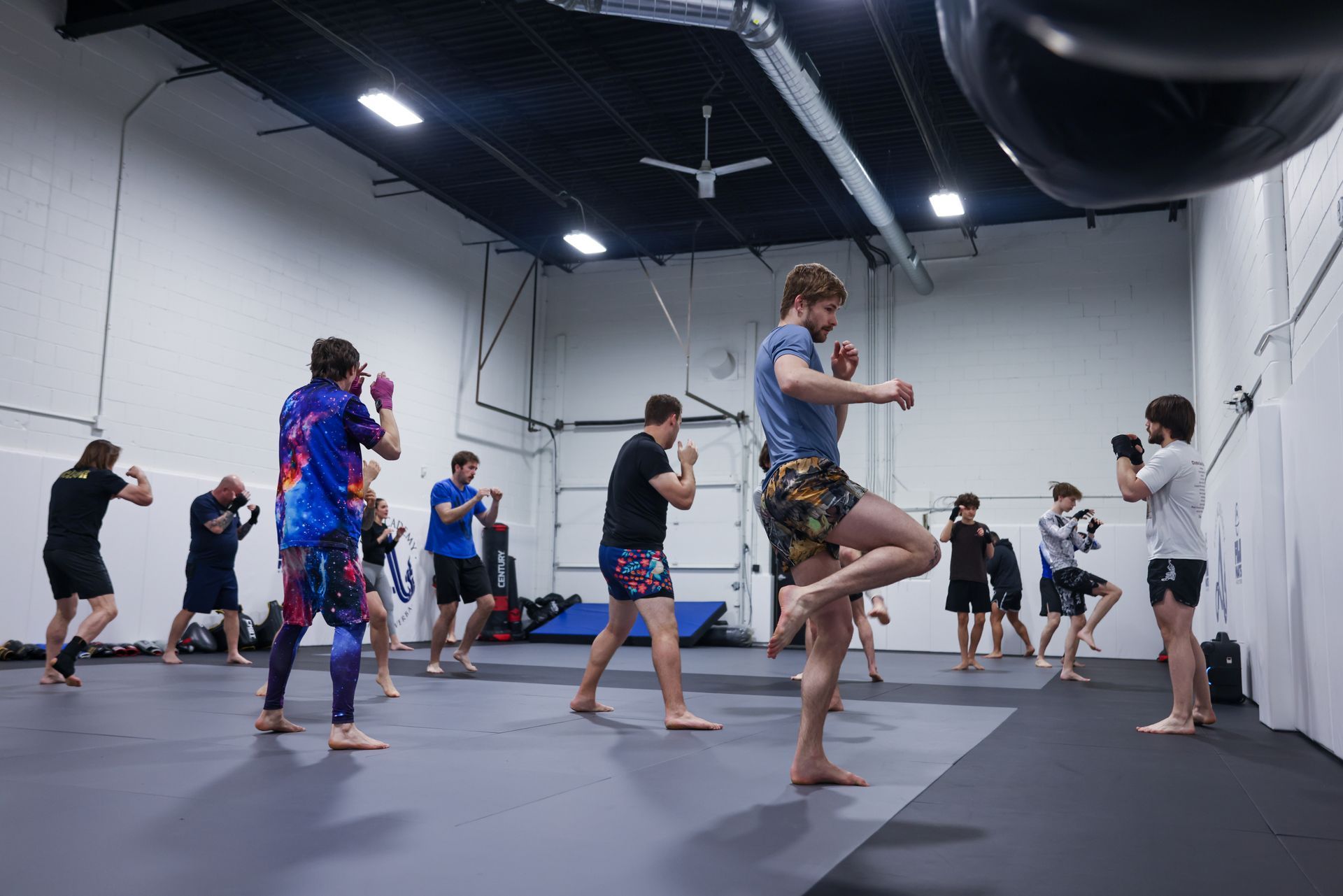
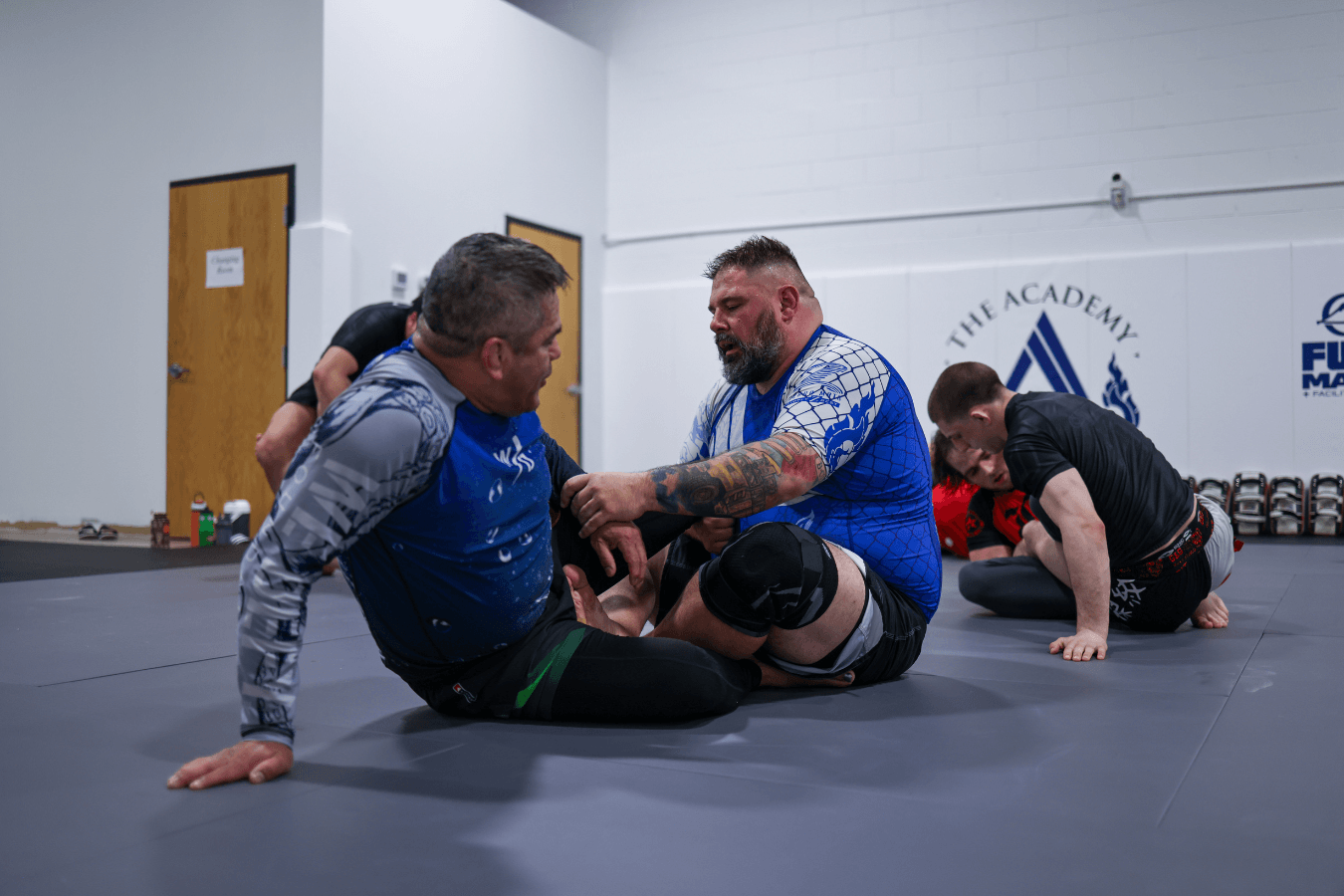
We run classes with a clear progression so you can connect the dots. Instead of piling on techniques, we build a foundation: posture, base, frames, escapes, and positional control. You do not need a huge catalog of moves. You need a smaller set of skills you can apply reliably.
What you will practice in a typical week
Here is what our structured approach usually emphasizes for new students and developing leaders:
• Positional awareness: knowing where you are, what is safe, and what is risky
• Escapes and defense: how to stay calm and recover when you are behind
• Guard fundamentals: controlling distance and creating options from your back
• Passing concepts: pressure, angles, and patience to improve position
• Submissions with control: applying technique responsibly, with partner safety first
• Live rounds with coaching: sparring that is guided, not chaotic
This is also where Brazilian Jiu-Jitsu in Minneapolis, MN becomes very real. When you train in a consistent system, you can miss a week due to life or weather and still step back in without feeling lost.
Youth Brazilian Jiu-Jitsu in Minneapolis, MN: raising capable, grounded kids
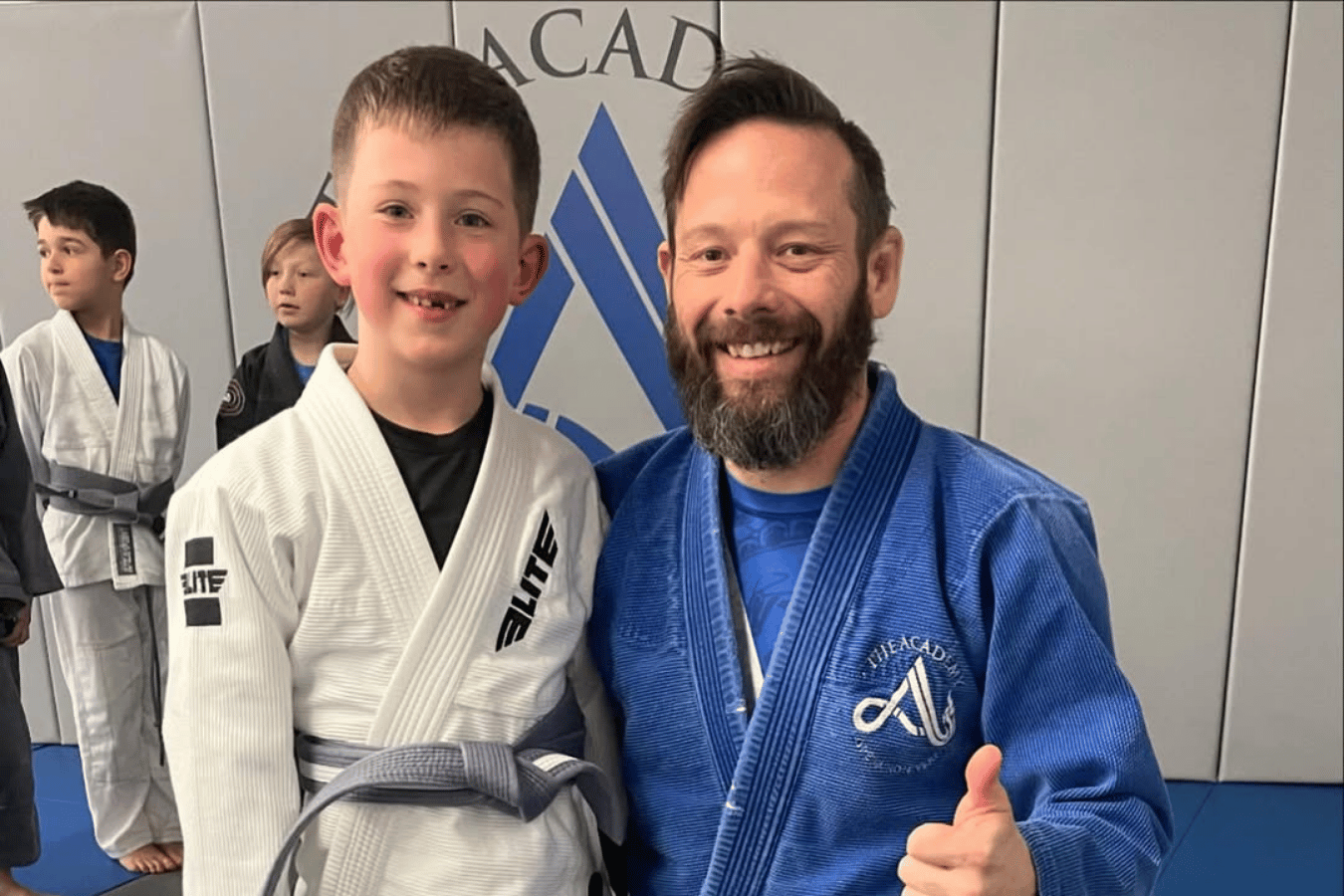
Youth Brazilian Jiu-Jitsu in Minneapolis, MN is not about turning kids into mini fighters. For most families, the win is simpler: better focus, better boundaries, better confidence, and a healthier relationship with effort.
We coach kids to listen, move with control, and treat partners with respect. That sounds basic, but it is exactly what many parents want reinforced. The mat becomes a place where kids learn that emotions are normal, and self-control is a skill.
How kids learn resilience without getting overwhelmed
Kids do not need pressure. They need the right dose of challenge, plus clear coaching. We use age-appropriate drills, simple goals, and a lot of repetition so confidence builds naturally.
We also treat safety and behavior as part of the curriculum. If a child is strong-willed (and plenty are), we do not try to crush that. We guide it. Leadership starts there.
Safety, injury prevention, and smart intensity
It is fair to ask about injuries. Brazilian Jiu-Jitsu is a contact sport, so risk exists. Our job is to reduce unnecessary risk through coaching, pacing, and culture.
We emphasize tapping early, learning how to fall and move, and choosing training partners responsibly. We also coach you to separate training intensity from training quality. You can train hard, but you do not need to train reckless.
A few habits that keep training sustainable
1. Prioritize defense first: strong frames and escapes protect your joints and your confidence
2. Tap early and often: it is not quitting, it is training etiquette and longevity
3. Warm up with intention: mobility and movement prep reduce strain
4. Communicate: tell partners if you are new, sore, or working around an issue
5. Train consistently, not heroically: two to three solid sessions beat one intense week and then a month off
Sustainable training is how leadership actually gets built. The leaders we admire are not the ones who spike and vanish. They are steady.
Costs, gear, and what you actually need to start
Getting started should feel simple. Gear costs can add up in any sport, so we try to keep it realistic for beginners. In most cases, you can start with the basics and upgrade later if you stick with it.
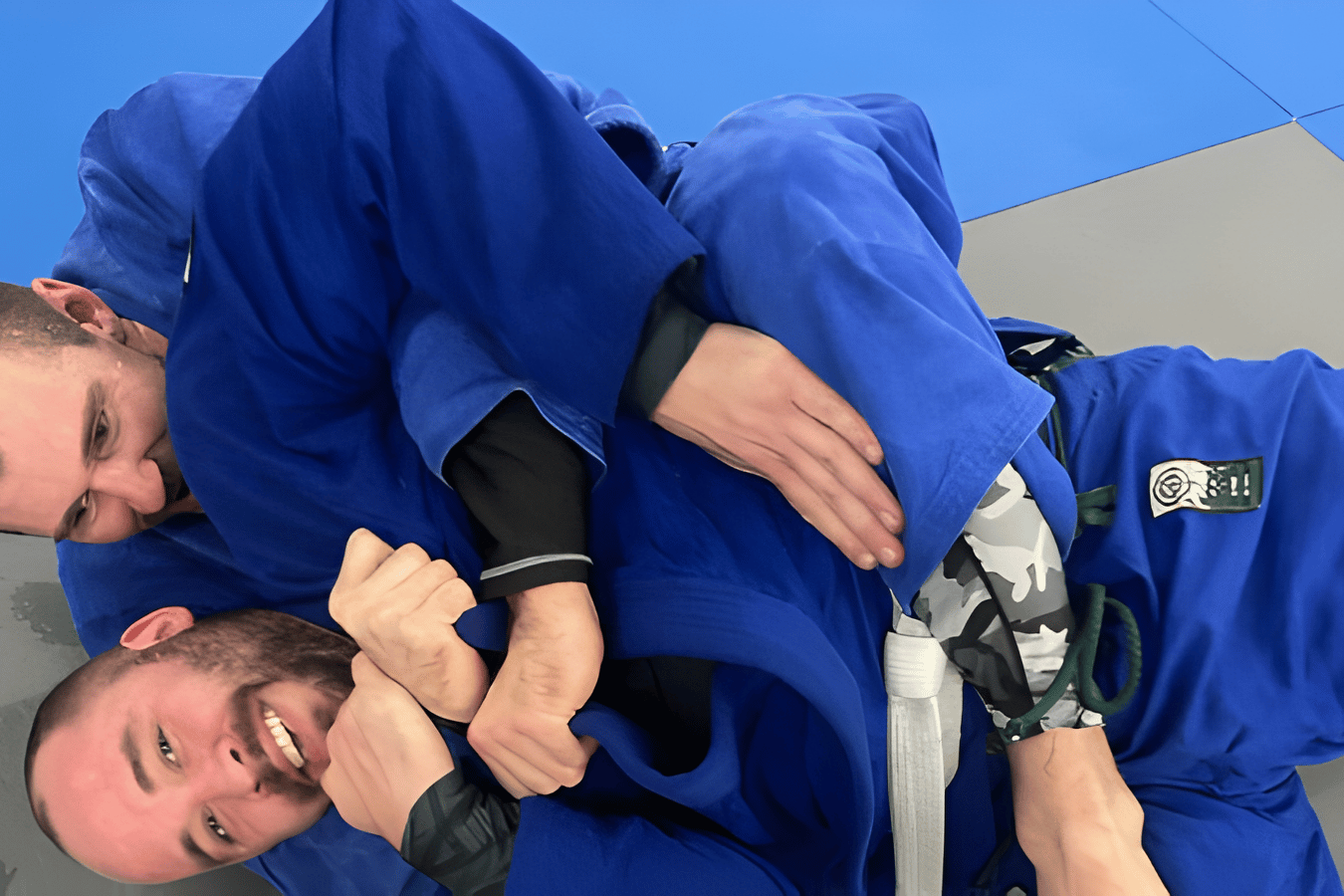
You typically need a gi if you are training gi classes, and you will want a mouthguard and a water bottle. If you are starting no-gi, you will want a rashguard and athletic shorts without pockets. If you are unsure, we can point you in the right direction so you do not overbuy.
The bigger investment is not gear. It is consistency. We would rather see you train regularly with simple equipment than wait for the perfect setup.
Competition, advancement, and long-term leadership growth
Not everyone wants to compete, and you do not need competition to become skilled. Still, it helps to understand the landscape. Surveys of practitioners in recent years suggest a large share of active students compete, and among experienced ranks it is very common. Competition can be a great teacher because it sharpens focus and gives you a clear test.
Our approach is to treat competition as an option, not an expectation. If you want to compete, we will help you prepare with smart rounds, specific game plans, and the right pacing. If you do not, you can still advance steadily through consistent training and demonstrated skill.
Belt progression in Brazilian Jiu-Jitsu is not about time served. It is about growth you can demonstrate: technical understanding, control, and the ability to make good decisions under pressure. That is leadership again, just expressed through movement.
Take the Next Step
Building resilience is not a mystery. It is a practice, and Brazilian Jiu-Jitsu gives you a clear way to practice it with real feedback and real community. If you want to develop calm under pressure, stronger boundaries, and a healthier relationship with challenge, we can help you do it in a structured, welcoming environment.
When you train with us at The Academy Eden Prairie, you are not just learning techniques. You are building a leadership skill set you can carry into work, school, and family life across Minneapolis. Show up, stay consistent, and let the process do what it does best: change you in measurable ways.
Turn what you learned here into hands-on training by joining a Jiu-Jitsu class at Academy Eden Prairie.