Brazilian Jiu-Jitsu turns everyday uncertainty into practical, repeatable skills you can rely on.
Brazilian Jiu-Jitsu is growing fast for a simple reason: it works when things get close. In a city like Minneapolis, where you might be walking to your car after a late shift, navigating crowded events, or just wanting more confidence in public spaces, knowing how to manage distance, control, and escapes matters. We teach Brazilian Jiu-Jitsu with that reality in mind, not as theory, but as a skill set you pressure test and keep refining.
You will also notice that BJJ has become one of the most searched and talked-about combat sports in America. Search interest surged more than 100 percent from 2004 to 2024, which matches what we see on the mats every week: more beginners, more parents looking for structured youth training, and more adults who want a training plan that fits real schedules. The upside of this growth is energy and community. The challenge is making sure training stays safe, structured, and actually useful for self-defense.
Our job is to make your first months clear and sustainable. That means a curriculum that does not rely on guesswork, coaching that respects your starting point, and a training culture that takes safety seriously. If you are curious about Brazilian Jiu-Jitsu in Minneapolis, MN, we want you to leave this page knowing what to expect and how to start smart.
Why Brazilian Jiu-Jitsu fits Minneapolis self-defense realities
Self-defense is rarely a clean, cinematic moment. Most real situations happen at conversational distance, in tight spaces, or after an initial grab or stumble. Brazilian Jiu-Jitsu shines there because it focuses on leverage, base, posture, and control rather than trading strikes. You learn how to stay calm under pressure, create frames, and work back to safer positions.
We emphasize the self-defense side of training without turning class into fear-based scenarios. Instead, we build core skills that transfer: balance, grip awareness, clinch control, and positional escapes. When you can consistently escape bad positions and stand up safely, you start to feel different in daily life. It is not bravado. It is competence.
Another reason BJJ is effective is that you can train at high intensity while still staying controlled. Sparring is a lab, not a street fight. You practice against resisting partners, but with rules and supervision. That balance lets you develop timing and decision-making, which are hard to fake.
The essential self-defense skills we build first
A good self-defense foundation is not a huge bag of tricks. It is a smaller set of skills you can actually execute under stress. Early on, we focus on positions and habits that reduce panic and increase options, even if you are smaller or less athletic.
Control before submissions, and why that matters
People love to ask about submissions, and yes, we teach them. Competition trends even show how dominant certain finishes are: chokes accounted for about 65 percent of ADCC 2024 submissions, with arm attacks around 20 percent. That is not just trivia. It highlights a reality: controlling posture and space makes high-percentage finishes possible.
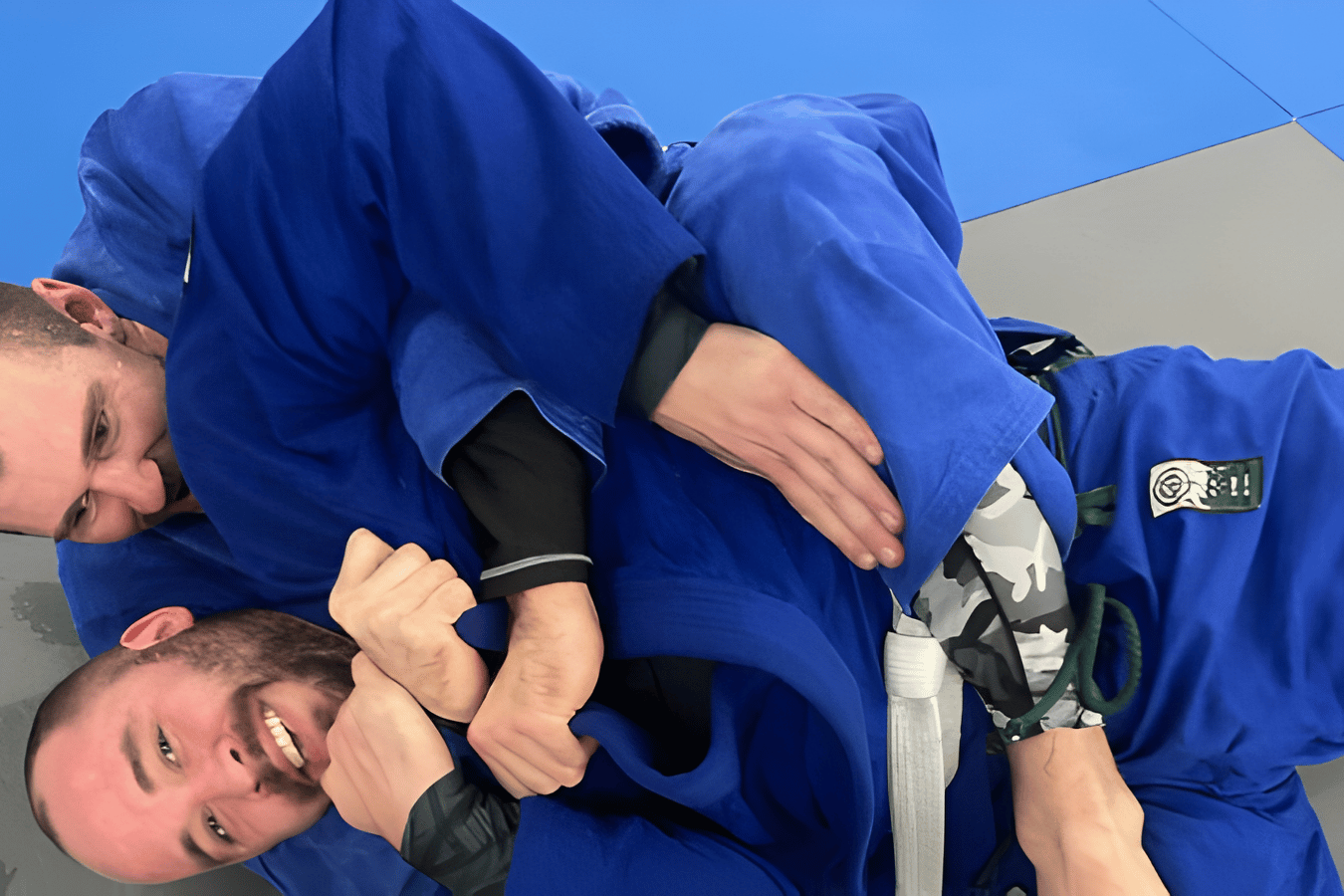
For self-defense, control is also what helps you disengage. If you can stabilize top position, you can create space to stand. If you can protect your neck and build frames from bottom, you can stop the worst outcomes and move toward safety.
Escapes you can depend on
Escapes are the unglamorous superpower of Brazilian Jiu-Jitsu. We teach you to recognize danger early, use your hips efficiently, and avoid reaching or twisting in ways that get you hurt. You will spend time on mount escapes, side control escapes, and back defense because those positions show up again and again.
We also coach how to stand up safely. Self-defense is not always about finishing. Often it is about getting away. Technical stand-ups, grip breaks, and distance management are part of our core approach.
Standing skills without pretending BJJ is only ground fighting
BJJ has a ground reputation, but we do not ignore the stand-up phase. You will learn basic takedown entries, how to fall safely, and how to pummel for underhooks. The goal is not to turn every class into wrestling practice. The goal is to give you enough competence that you are not lost before the fight ever hits the floor.
What a smart beginner path looks like (and why most people quit without one)
A common issue in martial arts is retention. People start motivated, then life hits, or training feels chaotic, or their body hurts in ways that do not feel productive. We counter that with structure and realistic expectations.
Most practitioners who stick around build consistency first. One industry snapshot describes an average 30-year-old male blue belt training about 6 hours per week for 3.5 years. Your numbers might be different, and that is fine. The point is that progress comes from repeated exposure, not occasional heroic workouts.
Here is what we recommend as a sustainable beginner progression:
1. Train 2 to 3 days per week for the first month so your joints, neck, and grip strength can adapt.
2. Focus on defense and escapes before chasing submissions, because confidence starts with surviving.
3. Add a fourth day only when you are recovering well and your technique stays sharp, not sloppy.
4. Ask questions after class and keep a short note on what you learned, even if it is just one detail.
5. Stay consistent for 8 to 12 weeks before judging results, because BJJ rewards patience.
That approach is not flashy, but it works. You will feel your timing improve, your breathing calm down during sparring, and your decision-making get cleaner.
Gi vs no-gi for beginners in Minneapolis
You will hear the gi vs no-gi debate early, and it can get weirdly intense. We keep it simple: both are valuable, and each teaches you something slightly different.
The gi slows things down and gives you grips that reveal mistakes. It is excellent for learning posture, frames, and how to break grips. No-gi tends to be faster, with more emphasis on body positioning, underhooks, and continuous movement. Competition trends show no-gi growth and evolving leg lock strategies, even as certain attacks like heel hooks fluctuate in popularity.
For beginners, we like the gi as a teaching tool, then we layer in no-gi so you learn to adapt. In Minneapolis winters, people also appreciate having a system that works with jackets and sweatshirts in mind, but we train for principles, not clothing gimmicks.
Youth Brazilian Jiu-Jitsu in Minneapolis, MN: what parents should look for
Parents usually want the same three things: safety, structure, and real confidence that carries over to school and home. Youth Brazilian Jiu-Jitsu in Minneapolis, MN is expanding for good reasons, including discipline, focus, and a healthy outlet for energy. But youth training has to be taught differently than adult training.
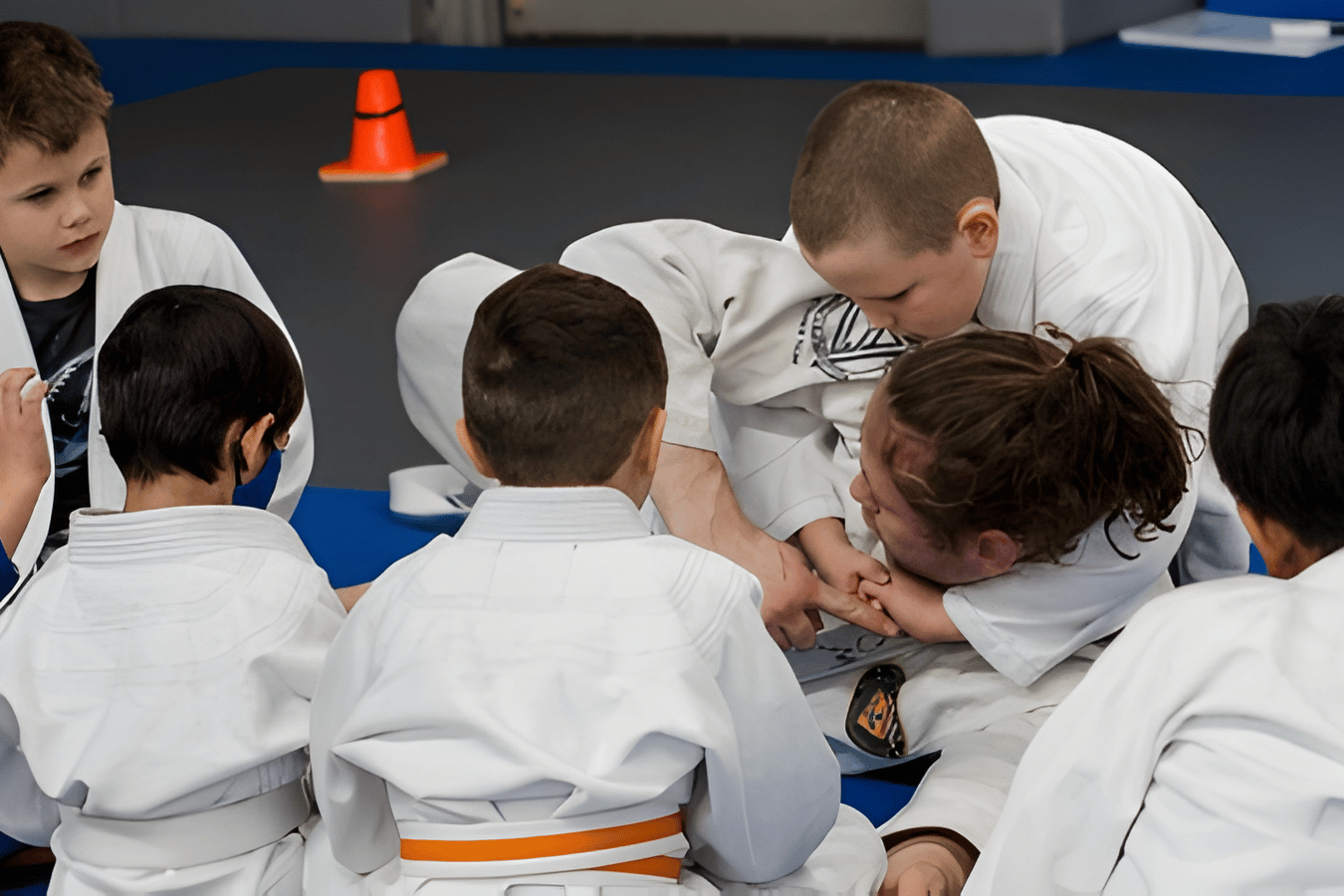
We keep youth classes age-appropriate and progression-based. That means clear rules, consistent warmups, and techniques that match how kids actually move. We also care about the social side: learning to partner up, take turns, and handle winning and losing without melting down. Some days that is the real lesson.
For parents, the best signs of a solid youth program are simple:
- Coaches who can keep the room organized while still making it fun
- A curriculum that repeats core skills so kids build confidence through familiarity
- Controlled sparring with clear goals, not chaos
- Communication about what your child is working on and why
- A culture that rewards effort and respect, not just toughness
When that structure is present, kids tend to stay with it. And when kids stay with it, the benefits compound.
Safety, injury prevention, and training the right way
BJJ has real physical demands. That is honest. The good news is that many common injuries are preventable with smart coaching, good tapping habits, and progressive intensity.
We coach you to tap early, especially while you learn. Tapping is not losing. It is how you keep training next week. We also emphasize warmups that prepare your neck, hips, and shoulders, and we encourage you to choose training partners who match your pace when you are new. Over time, you will learn to spar with control even at higher intensity.
Gear costs are another real concern. A gi, rash guard, and basic hygiene supplies add up. We keep guidance practical, and we will tell you what you actually need first versus what can wait. Clean gear and trimmed nails are not glamorous, but they keep the room safe and pleasant, which matters more than people admit.
How we structure classes for faster learning
A big reason people get hooked on Brazilian Jiu-Jitsu is the feeling of solving problems in real time. But learning is faster when the room is organized. We run classes with a clear rhythm so you always know what you are working on.
Most classes include technical instruction, drilled repetitions, and live training. Drilling builds the pattern. Live rounds reveal what you forget when someone resists. Then we connect the dots so you leave with one or two takeaways instead of a blur.
We also teach concepts that travel across positions: inside control, head position, posture, and hip movement. Those ideas show up whether you are defending on bottom, passing on top, or trying to stand up safely.
Practical outcomes you can expect after 90 days
People often ask how long it takes to feel confident. Confidence is a moving target, but within about three months of consistent training, most students notice concrete changes.
You can expect better body awareness and balance. You will likely feel calmer during physical pressure, which is a strange but useful skill. You will also start recognizing positions faster, like realizing you are in trouble before you are fully stuck. That early recognition is where self-defense starts.
If your goal is Brazilian Jiu-Jitsu in Minneapolis, MN for self-defense, we will keep bringing you back to fundamentals: posture, frames, escapes, and controlled intensity. You do not need to be fearless. You just need a plan you can execute.
Take the Next Step
Building real skill in Brazilian Jiu-Jitsu is a long game, but it should still feel welcoming on day one. We coach self-defense with structure, safety, and steady progress so you can train consistently, not just occasionally. If you want a place where fundamentals are respected and live practice is coached with intention, you will fit in.
That is exactly what we focus on at The Academy Eden Prairie. When you are ready, we will help you start with a clear path, a realistic training cadence, and a community that takes your goals seriously without making things overly complicated.
Ready to start training? Join a Jiu-Jitsu class at Academy Eden Prairie today.