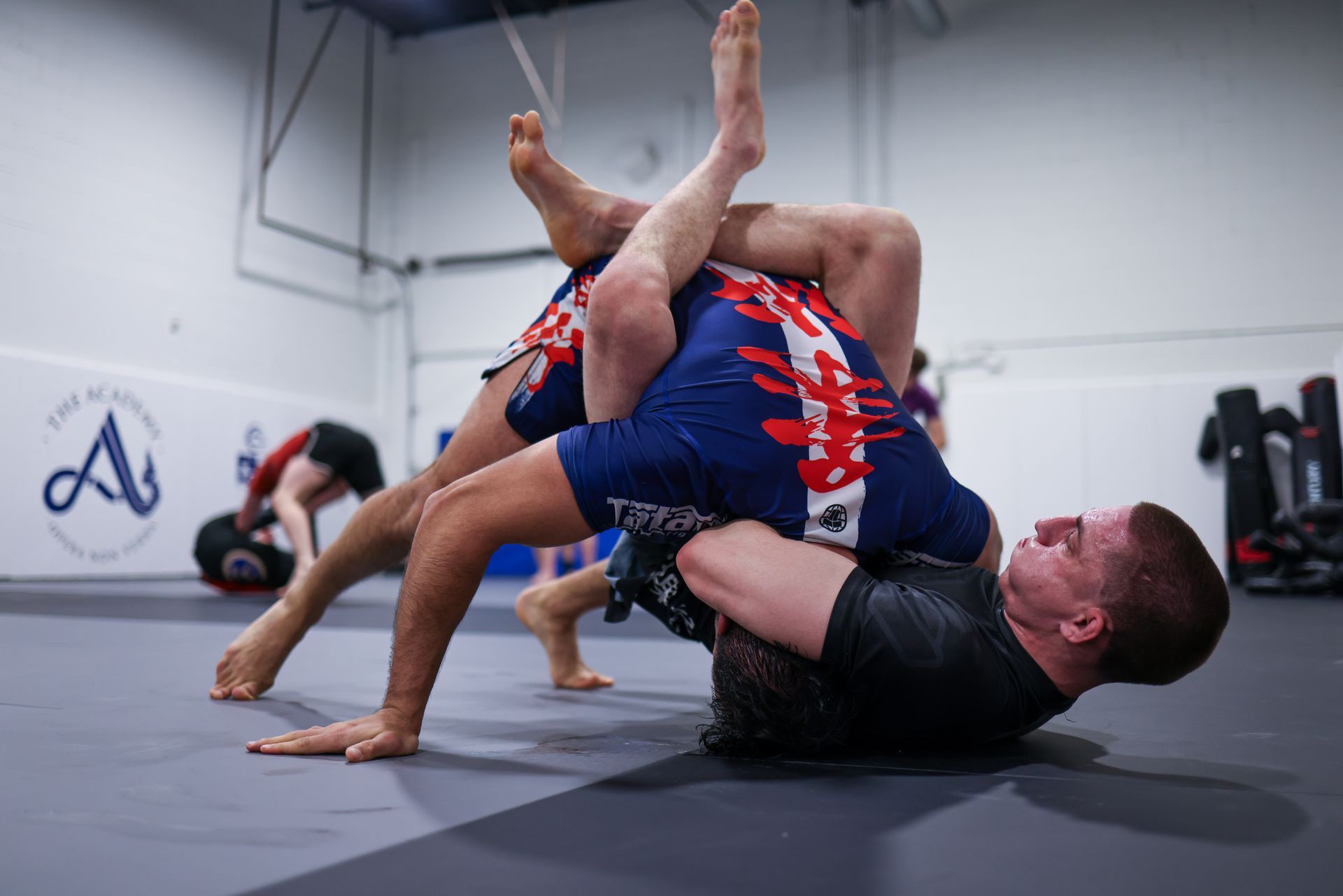
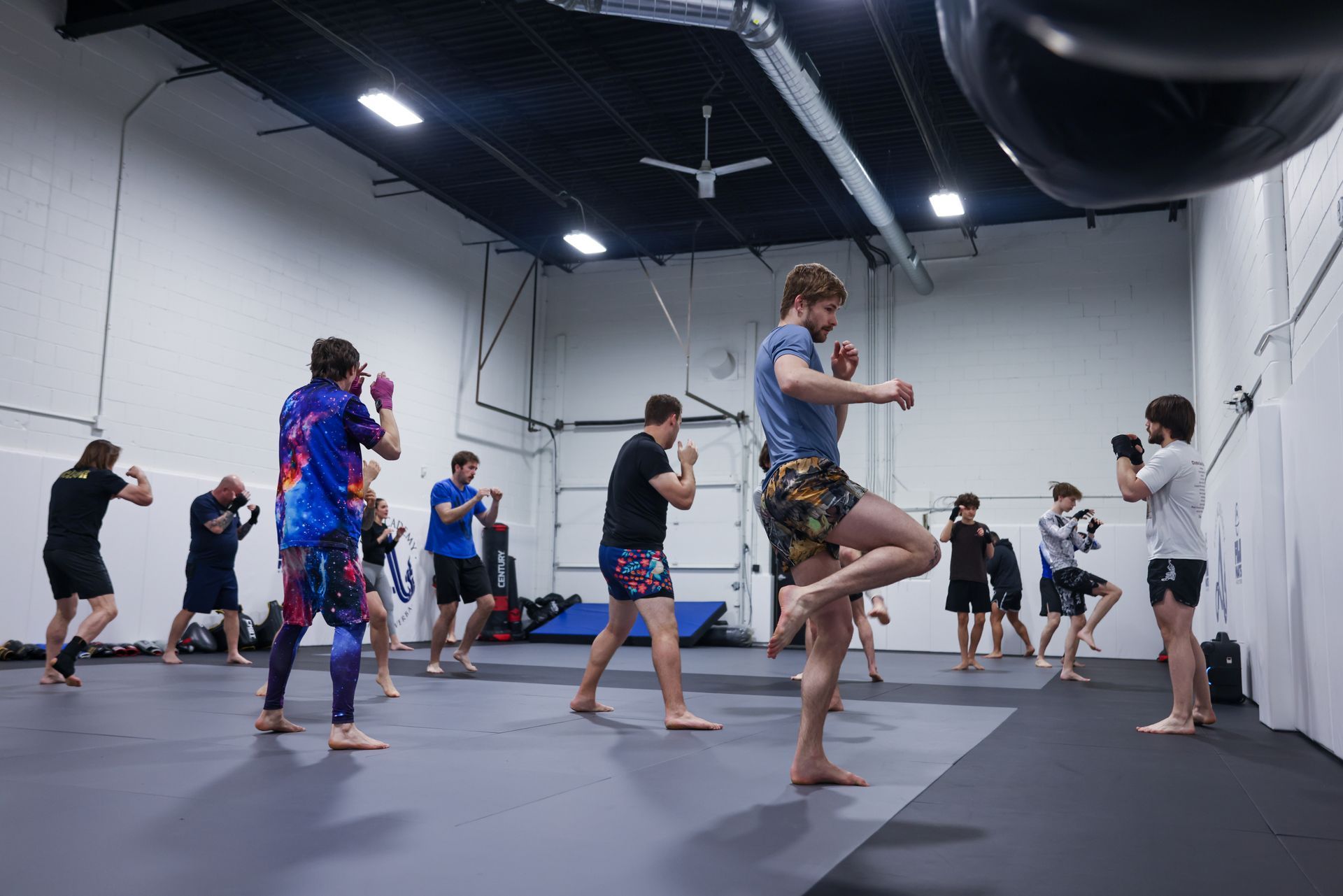
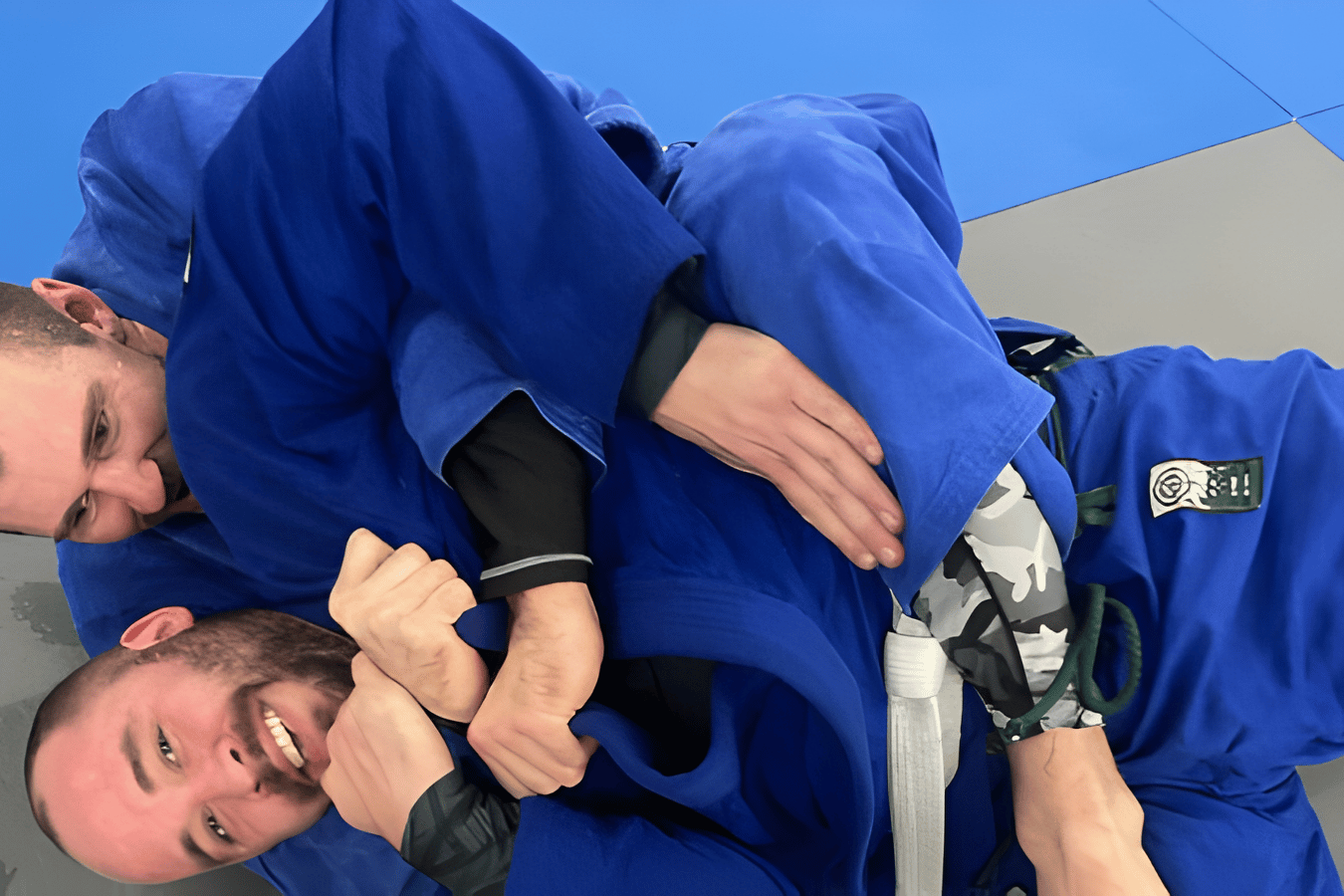
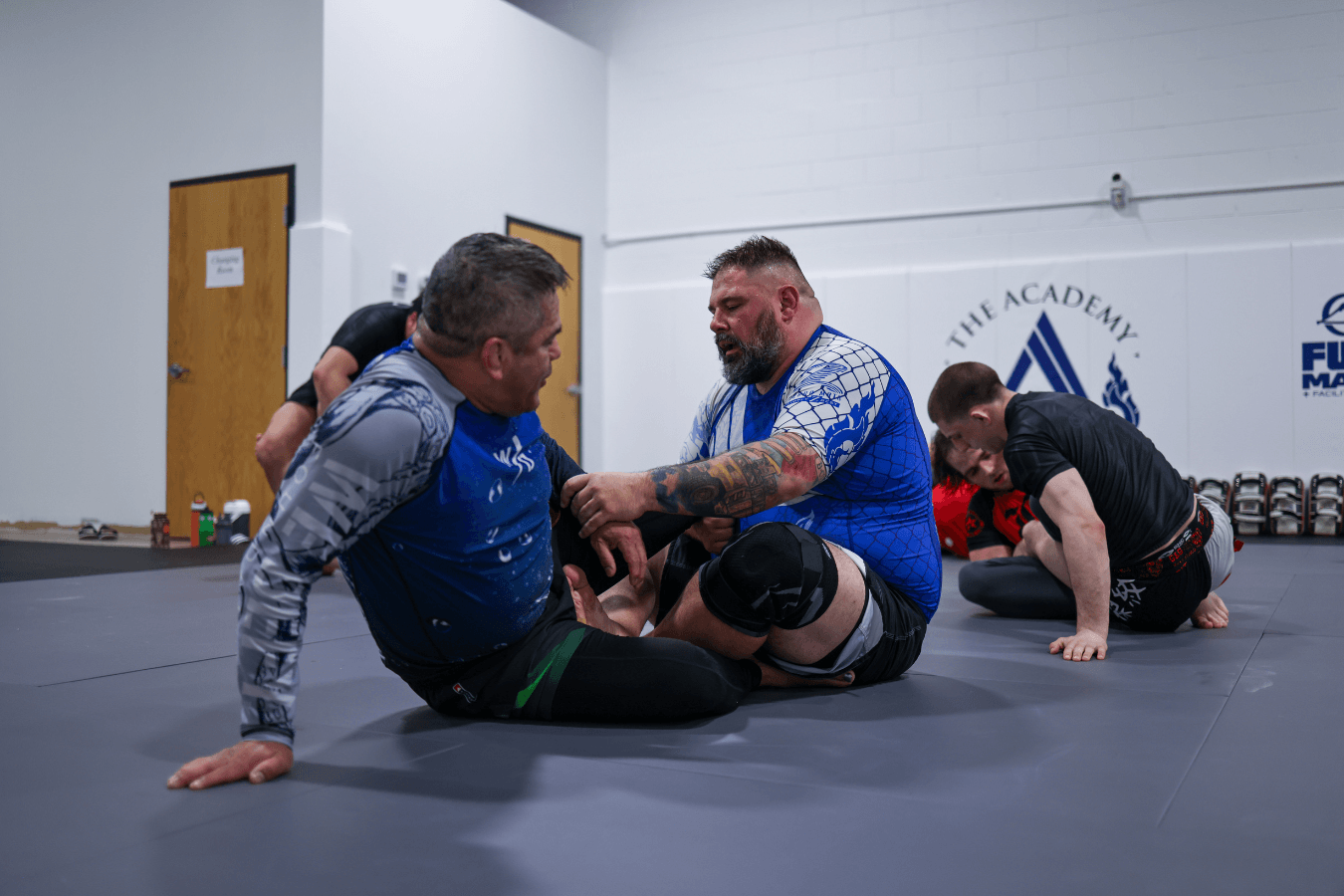
Brazilian Jiu-Jitsu gives kids a place to move, think, and grow, all in one hour that actually feels fun.
Parents around Minneapolis ask us a version of the same question all the time: will Brazilian Jiu-Jitsu help my child beyond the mats? Our answer is yes, and not in a vague, motivational-poster way. The best kids training builds habits that show up in school, at home, and in friendships when no coach is watching.
We also understand the practical side. Minneapolis kids spend a lot of the year indoors, schedules are packed, and attention spans are, well, human. So we structure kids classes to keep things moving with games, partner drills, and clear goals that make progress feel real.
In our program, Brazilian Jiu-Jitsu is not about teaching aggression. It is about control, problem-solving, and learning how to handle pressure in a safe, supervised environment. Over time, those lessons turn into lifelong skills: confidence, discipline, emotional regulation, and the ability to advocate for yourself.
Why Brazilian Jiu-Jitsu works so well for kids
Brazilian Jiu-Jitsu is often described as human chess, and we think that fits especially well for kids. Instead of relying on size or speed, students learn to create leverage, improve positioning, and make smart choices step by step. That mental puzzle keeps kids engaged, even the ones who do not always love traditional sports.
The physical benefits are obvious pretty quickly. We build strength, flexibility, coordination, agility, and balance through repeated movement patterns that feel like play but develop real athletic ability. Kids who start out a little clumsy often become noticeably smoother in how they move, and parents tell us it shows up in other activities too.
What surprises many families is how much the training supports emotional growth. Kids learn to try, fail, reset, and try again with a partner right in front of them. That process normalizes frustration and teaches a calmer response to it, which is a big deal in everyday life.
Lifelong skill 1: Confidence that is earned, not borrowed
Confidence sticks when kids earn it through effort, not when we simply tell them to be brave. In Brazilian Jiu-Jitsu, small wins add up: remembering a sequence, improving a movement, escaping a position, or staying focused for the entire round. Each win is concrete, and kids can feel it.
We also teach students to be comfortable being new at something. That sounds simple, but for kids, it is huge. When kids learn that beginners are allowed to struggle, and that struggle is part of progress, confidence becomes more stable and less tied to being perfect.
A nice side effect is posture and presence. Kids who train consistently tend to carry themselves differently. It is not about acting tough. It is about looking like someone who knows what to do with their hands, their feet, and their emotions.
Lifelong skill 2: Discipline and focus that carry into school
We keep kids classes active, but we also require attention to detail. Listening to instructions, waiting for a turn, and applying a technique carefully are all forms of discipline. Over time, that structure becomes familiar, and many students start to bring the same focus into homework, classroom routines, and chores at home.
Brazilian Jiu-Jitsu rewards patience. If a child rushes, the technique usually falls apart. If a child slows down and follows the steps, it works. That cause-and-effect relationship helps kids understand why focus matters, not because an adult said so, but because the outcome proves it.
We also use progressive goals. Belts and stripes (or similar progress markers) give kids something to work toward, and the process teaches consistency. Showing up, practicing, and improving is the point, and kids learn that results follow routines.
Lifelong skill 3: Problem-solving under pressure
In the moment, grappling can feel like a puzzle that moves. Your child has to recognize what is happening, choose a response, and adapt if it does not work. That is problem-solving under pressure, and it is one of the most transferable skills we teach.
We coach kids to think in simple layers: position first, then control, then a finish or an escape. That framework reduces overwhelm. Instead of panicking, students learn to ask, what do I need right now? Where are my hands? Where is my base?
This is also where we see kids develop resilience. When a technique fails, we do not label it as a disaster. We treat it as information. That mental shift can help kids handle tests, performances, social stress, and the everyday disappointments that come with growing up.
Lifelong skill 4: Respect, teamwork, and healthy social confidence
Even though Brazilian Jiu-Jitsu is an individual sport, kids rarely train alone. Partner drills teach cooperation, communication, and responsibility. Students learn to be a good teammate: keep your partner safe, match intensity, and help each other improve.
Respect is built into the training culture we maintain. Kids learn how to greet coaches, listen during demonstrations, and treat training partners with basic decency. Those habits sound old-fashioned, but they matter, especially when kids are navigating friendships, group projects, and sports teams.
We also see shy kids come out of their shell. The structure gives them a role and a script. When you know what to do at the start of class, how to line up, and how to partner up, social interaction becomes less intimidating. Community grows from repetition.
Lifelong skill 5: Anti-bullying skills without teaching bullying
Parents want anti-bullying strategies that are realistic and safe, and we take that responsibility seriously. We focus on awareness, boundaries, and assertiveness, not on escalating conflict. Kids learn how to stay calm, create space, and get help when needed, and we reinforce that the goal is safety.
Brazilian Jiu-Jitsu gives kids a clear understanding of control. Because techniques rely on leverage and positioning, students learn that power is not the same as aggression. That distinction matters. A child can feel capable without feeling entitled to dominate.
We also talk about decision-making. Not every situation requires physical action. Sometimes the best move is walking away, using a strong voice, or involving a trusted adult. Training supports those choices by giving kids confidence that they have options.
How we keep kids training safe and age-appropriate
Safety is not a slogan for us; it is the foundation of how we coach. We use close supervision, structured partner work, and clear rules around intensity. Kids learn how to move with control, how to tap, and how to stop immediately when instructed.
Age matters too. A preschooler does not need the same training format as a teen. We adjust drills, expectations, and pacing so kids stay engaged while practicing the right fundamentals for their stage of development.
Here is how age-tailored Brazilian Jiu-Jitsu benefits typically progress in our kids program:
• Ages 2 to 5: Movement basics like balance, coordination, tumbling, and turn-taking through games, with no hard sparring and lots of quick resets
• Ages 5 to 7: Foundational confidence, listening skills, and simple positional concepts taught in short, memorable chunks
• Ages 8 to 13: Stronger discipline, endurance, and technical problem-solving, plus more structured partner training
• Teens: Leadership, accountability, and higher-level strategy, along with the ability to mentor younger students appropriately
When kids train at the right level, classes stay fun and challenging. That combination is what keeps kids coming back week after week.
What a typical kids class looks like in Minneapolis
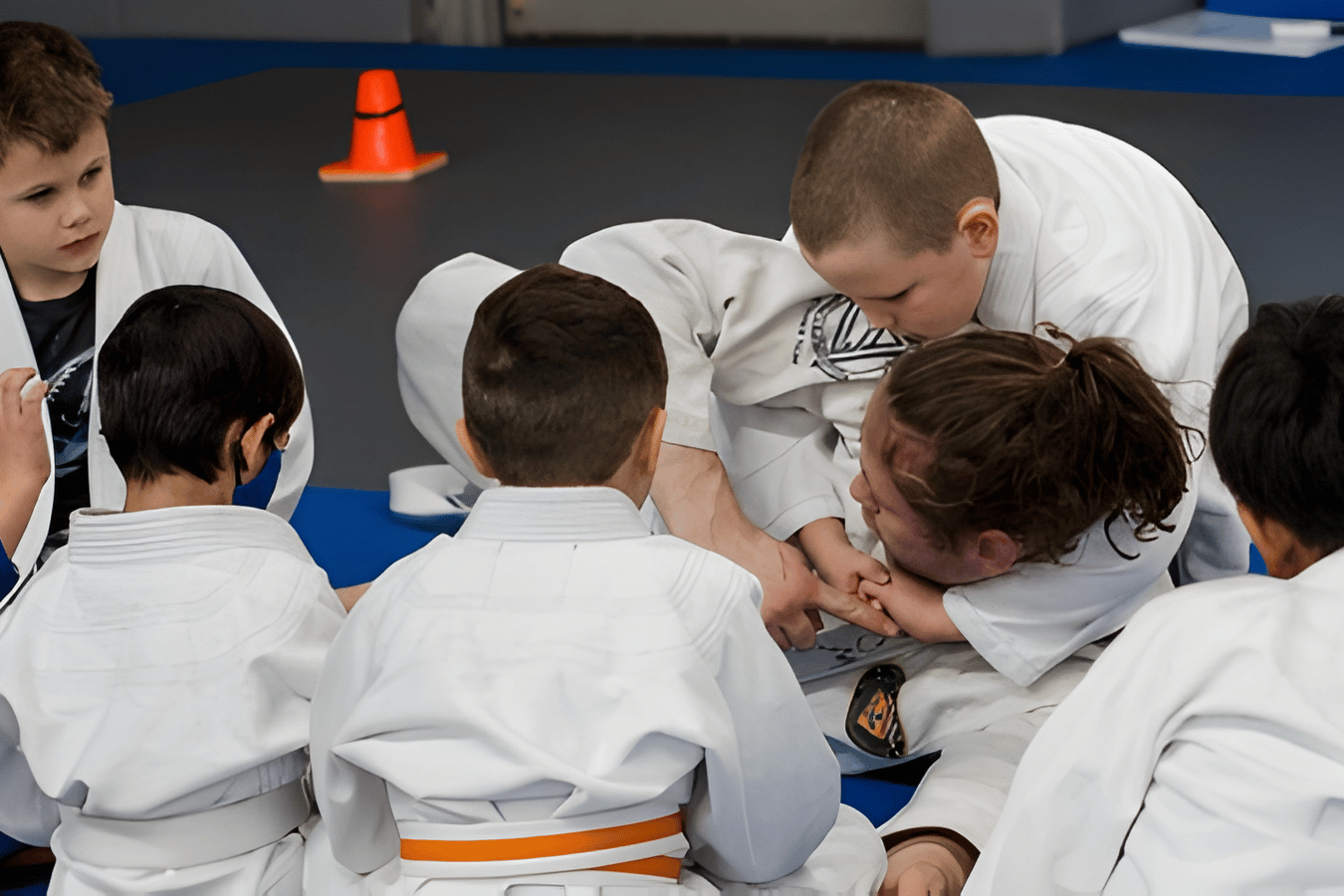
Most classes follow a rhythm that kids can count on, which helps with focus. We usually start with a warm-up that looks like play but builds athletic movement: animal walks, rolls, shrimps, and simple coordination patterns. Then we teach a technique or concept and drill it with a partner.
After drilling, we may add light positional sparring for age groups that are ready for it. Positional work is controlled and specific. Instead of free-for-all grappling, kids practice one situation at a time, like holding a safe position or escaping from it. That keeps training purposeful and reduces risk.
We end by reinforcing a key lesson and recognizing effort. Not every child has a perfect day, and that is normal. What we reward is respectful behavior, honest effort, and improvement, even if the improvement is small and quiet.
Building a healthy routine for Minneapolis families
Consistency beats intensity for kids. We would rather see your child train two or three times a week for months than go all-in for two weeks and burn out. Brazilian Jiu-Jitsu is a skill, and skills grow through steady repetition.
Our class schedule is designed to fit real family routines, including after-school and evening options that work around homework, dinner, and weekend activities. And because Minneapolis winters can limit outdoor sports, indoor training becomes a reliable anchor for year-round fitness.
A practical tip we share with parents: keep the pre-class routine simple. A small snack, water, and arriving a few minutes early reduces stress for everyone. Kids pick up on rushing energy, so a calmer start often leads to a better class.
How kids stay motivated long-term
Kids motivation is rarely about lectures. It is about belonging, progress, and having a good time while doing hard things. We use clear goals and positive coaching so kids understand what to work on next without feeling overwhelmed.
We also encourage parents to measure progress in more than one way. Yes, stripes and belts matter. But so does a child raising a hand to ask a question, staying calm after a mistake, or choosing to practice at home without being asked. Those are real milestones.
If you are new to martial arts, getting started can feel like a lot, so we keep it straightforward:
1. Check the class schedule and choose a beginner-friendly time that fits your week
2. Try a class and let your child experience the pace, coaching style, and partner work
3. Ask us what to focus on first so your child has one clear goal for the next few weeks
4. Build consistency with a simple plan, usually 2 to 3 classes per week
5. Reassess every month and celebrate progress, even when it is subtle
That simple process helps kids stick with training long enough for the lifelong skills to take root.
Adult training matters too, because kids watch what we do
Even when the focus is on kids, we keep families in mind. When parents train, kids notice. When parents value practice and patience, kids absorb it. That is one reason many Minneapolis families ask about Adult Brazilian Jiu-Jitsu in Minneapolis, MN alongside youth classes.
Our adults program supports the same values: fitness, stress relief, and practical skill-building in a structured environment. And for parents, it is refreshing to have a weekly routine that is not another meeting or another screen. Just focused work, real learning, and a supportive room.
Whether your household trains together or separately, the shared language of effort and respect tends to spill into everyday life in a good way.
Ready to Begin
If you want an activity that strengthens your child’s body while quietly building focus, resilience, and self-control, we would love to help you start. Brazilian Jiu-Jitsu in Minneapolis, MN can be a surprisingly practical answer to modern kid challenges, from stress and distraction to confidence and social pressure.
We built our kids program at The Academy Eden Prairie to be structured, safe, and genuinely engaging, with coaching that meets your child where your child is right now. When you are ready, we can help you pick a starting point that fits your schedule and your goals.
No experience is required to join a Jiu-Jitsu class at Academy Eden Prairie and learn step by step.