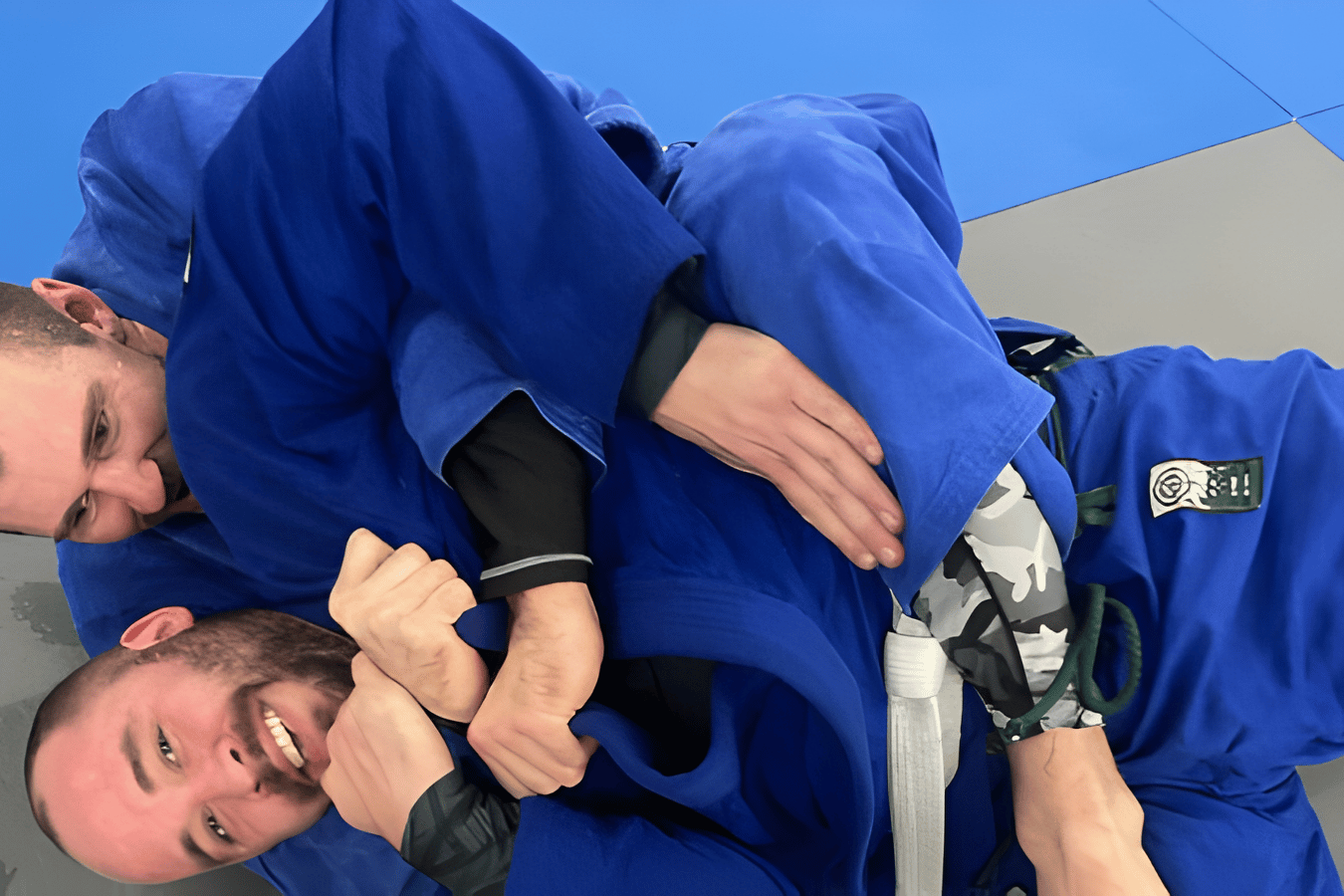
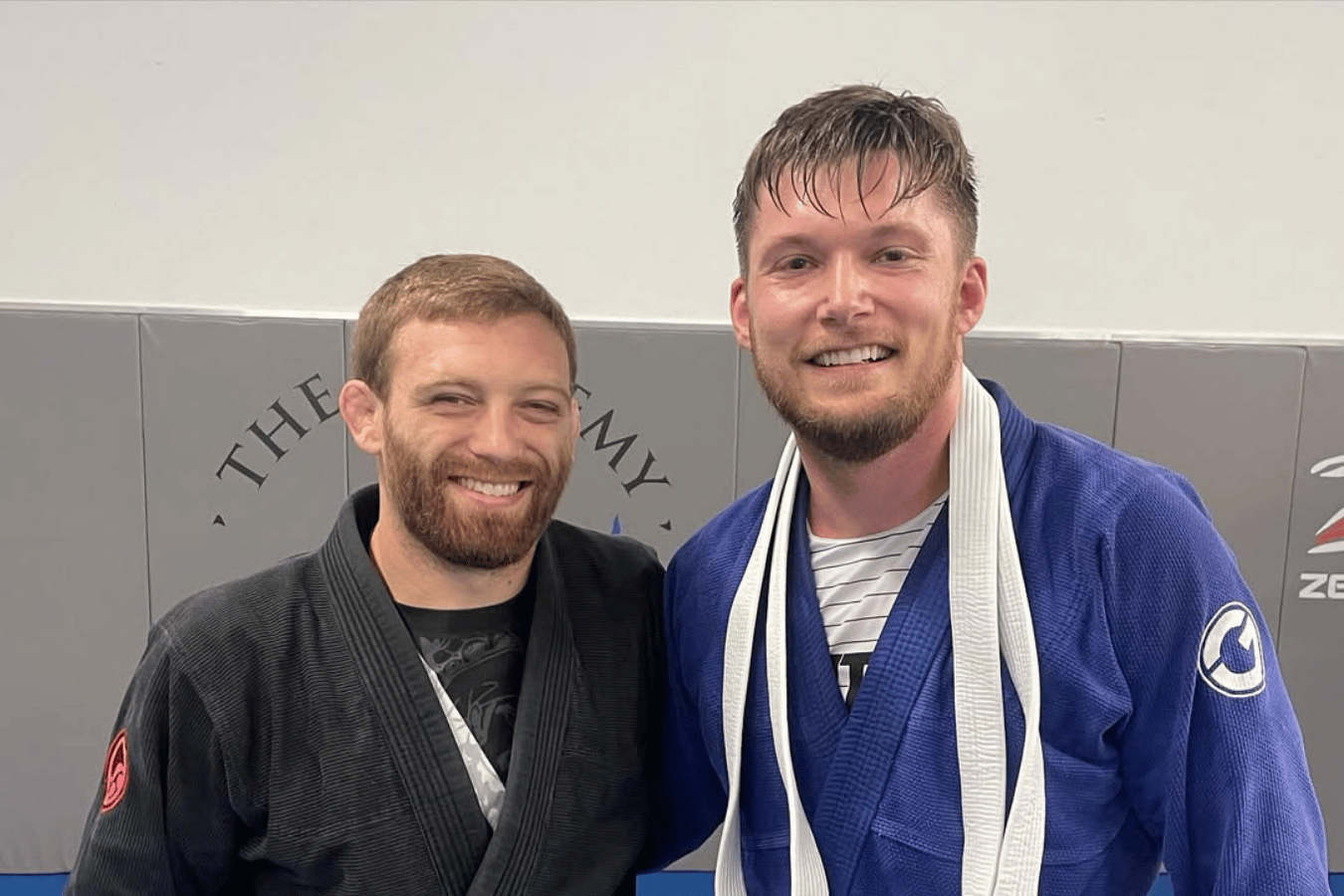
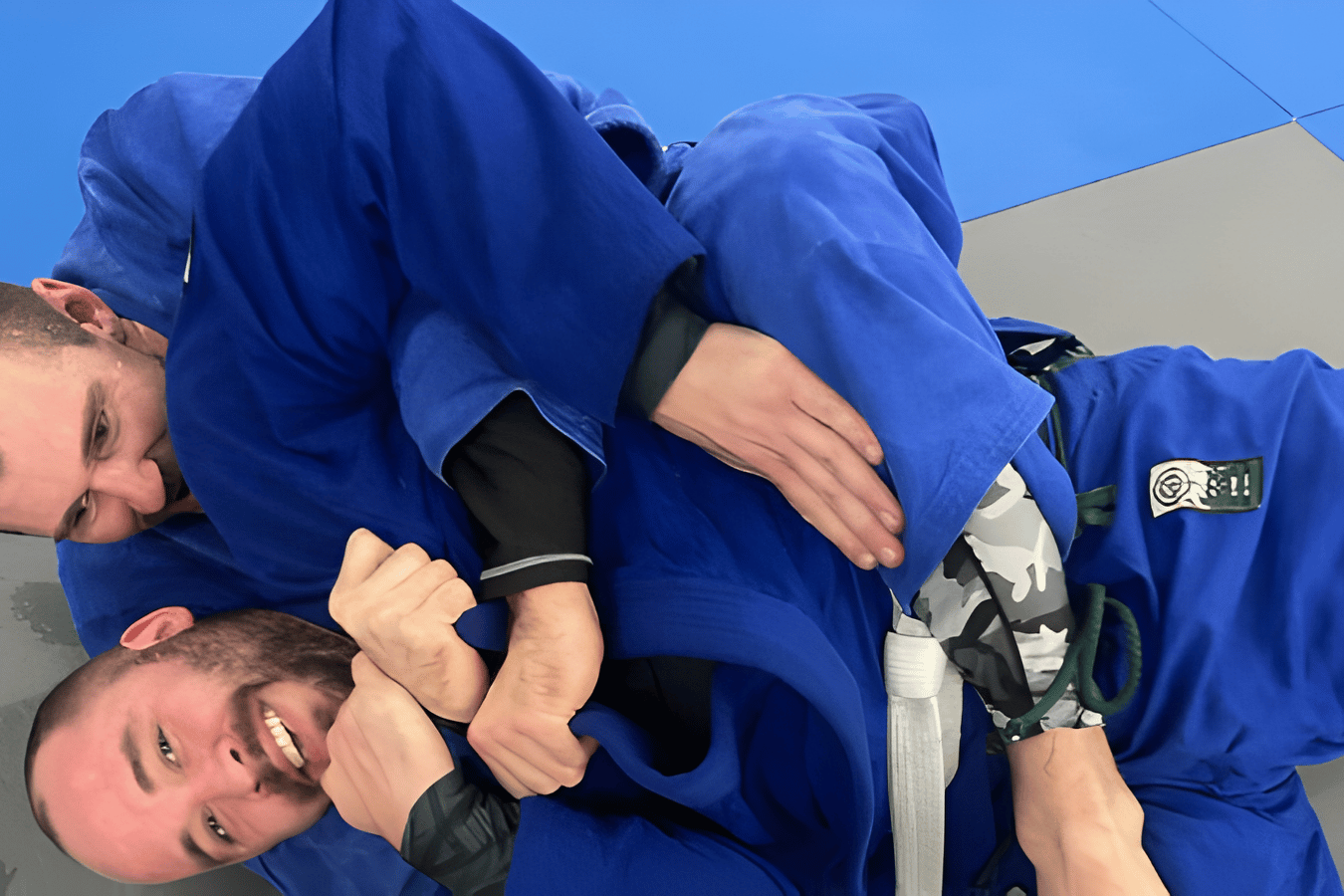
Your first class should feel welcoming, structured, and safe while still giving you a real taste of what makes this art so effective.
Brazilian Jiu-Jitsu can look intense from the outside, but your first class in Minneapolis is usually more approachable than most people expect. We meet you where you are, whether you walk in focused on self-defense, fitness, stress relief after work, or simply trying something new that actually challenges your brain.
BJJ is also growing fast for a reason. With an estimated 2.9 million practitioners worldwide and interest in the US roughly doubling over the past decade, more beginners are stepping onto the mats every week and discovering that progress comes from small, repeatable wins, not “being tough.” Our job in your first class is to make those first wins feel clear and doable.
If you have a tiny bit of nerves, that is normal. We plan for that. Your first Brazilian Jiu-Jitsu session is designed to be guided, beginner-friendly, and paced so you can learn without feeling thrown into the deep end.
Why Brazilian Jiu-Jitsu is popular in Minneapolis right now
Brazilian Jiu-Jitsu in Minneapolis, MN fits the way many people here like to train: practical, skill-based, and community-driven. You do not need a perfect athletic background to start. You just need consistency and a willingness to learn.
Part of the national surge comes from BJJ’s effectiveness in self-defense and its visibility in MMA and the UFC, plus broader cultural momentum. The business side reflects it too: the global BJJ market is projected to grow from USD 1.2 billion in 2025 to USD 2.5 billion by 2033, driven by premium gyms, coaching, and competition growth. That demand brings new students, but it also highlights an important issue: beginners need a structure that keeps them training.
There is a well-known stat in the community that about 70% of white belts quit. That is not because BJJ “is not for them.” More often, it is because the onboarding is unclear, people train too hard too soon, or nobody explains what “normal” soreness and learning curves look like. Our first-class experience is built to reduce those friction points and help you build momentum.
What to wear and bring to your first class
You do not need a closet full of gear to begin Brazilian Jiu-Jitsu. You just need clean training clothes, basic hygiene, and a mindset that you are here to learn, not to prove anything.
For most first classes, athletic clothing is fine, and we can help you understand when to transition into a gi or no-gi setup depending on the program you choose. If you are unsure, check the program details on the website and we will confirm what is best for your first session.
Bring these basics:
- A water bottle, because even a technical class can make you sweat more than you expect
- A small towel and a change of shirt if you are heading back to work or errands
- Flip-flops or slides for walking off the mat without tracking dirt back onto it
- Short, clean nails and no jewelry, which helps keep training safe and comfortable
- A light snack for afterward if you tend to get hungry post-training
If you are worried about being the “only new person,” that is rarer than you think. New students are starting all the time, and our instructors are used to guiding day-one questions like “Where do I stand?” and “Am I doing this right?” (You are, at least for day one.)
Arriving and getting oriented (the part people rarely talk about)
Plan to arrive about 15 minutes early. That extra time makes everything smoother: you can meet us, get a quick overview of mat rules, and settle your nerves before class begins. We will point you to where to put your things, where to line up, and how we start each session.
We also use that time to learn a bit about you. If you have past injuries, if you are training for fitness, or if you are interested in self-defense, that context helps us coach you better immediately. You do not need a long conversation, just the essentials.
Minneapolis schedules can be busy, and traffic can be unpredictable, so early arrival is one of the simplest ways to make your first day feel calm instead of rushed. When you are not scrambling, you learn faster. That is just the truth.
How a beginner-friendly Brazilian Jiu-Jitsu class is structured
Most first classes follow a predictable rhythm, which is great because predictability lowers stress. While exact timing varies, expect a 60 to 90 minute class with clear segments.
Warm-up (and why it is different from a typical gym workout)
Our warm-ups are not about exhausting you. We use them to teach movement patterns that show up in grappling: how to shrimp, how to bridge, how to stand up safely, and how to move your hips with control. You will feel awkward for a minute. Everyone does. Then it clicks.
Warm-ups also help us spot mobility limitations early so we can give you safer options. BJJ is a skill sport, and skills improve faster when your body is warmed up and your breathing is under control.
Technique instruction and drilling
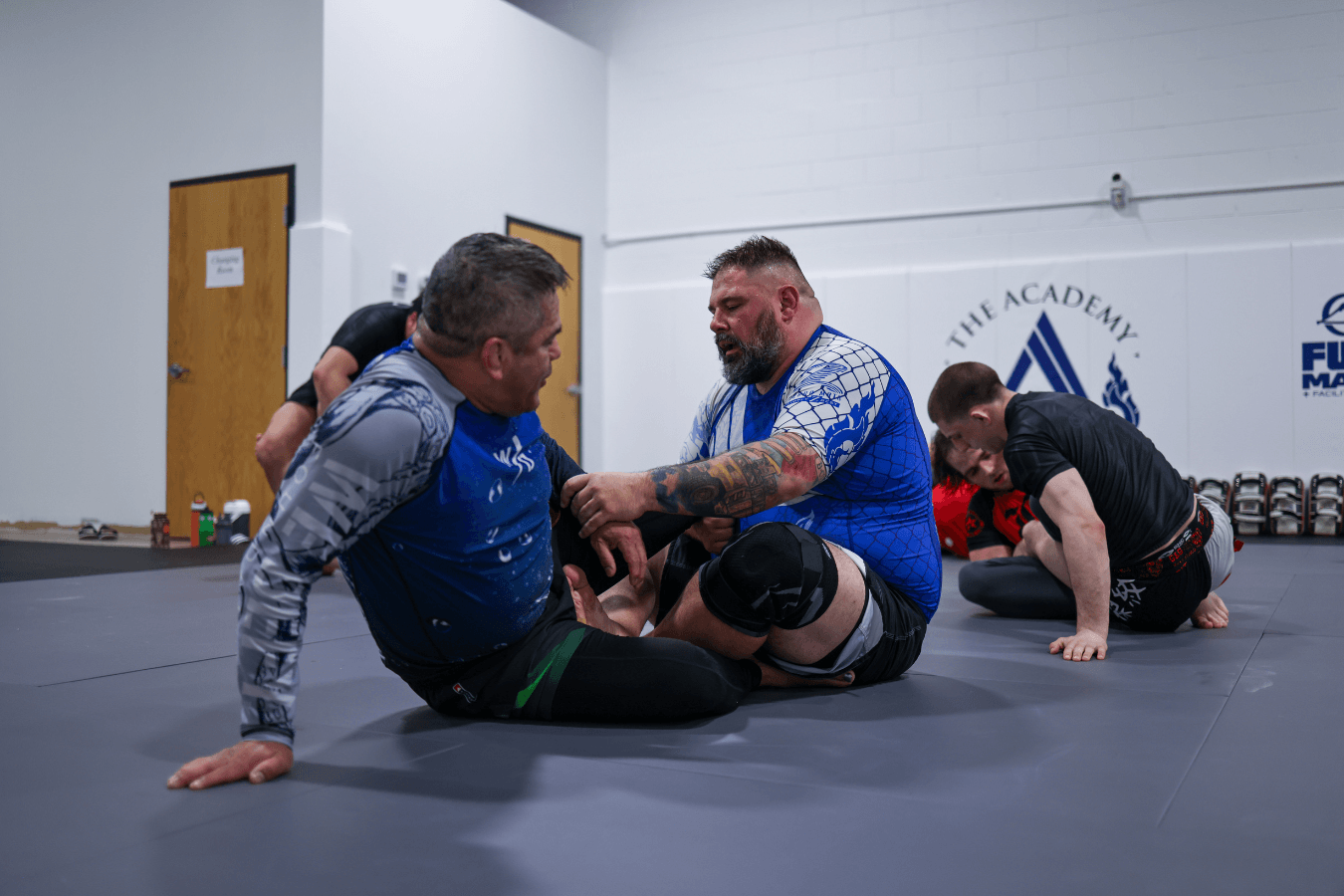
This is where the real learning happens. We demonstrate a technique, explain the purpose, and then you drill it with a partner under supervision. We will usually teach a small “chain” of connected ideas instead of a random move. For example: how to maintain a stable position, how to escape when pinned, and how to reset.
If you forget steps, it is fine. Drilling is built for forgetting and re-remembering. You will hear the same key cues more than once, and that repetition is intentional.
Positional sparring or controlled live training
Many beginners worry about sparring. You might picture an all-out fight. That is not what your first class needs.
We often introduce beginners to live training through positional rounds, meaning you start in a specific position with a simple goal. That structure keeps intensity reasonable and learning high. You get to feel what resistance is like without getting overwhelmed.
If we do full rolling, we scale it. Our expectation for your first day is calm, controlled effort. Nobody “wins” day one. You learn.
Expectations vs reality (a quick table for first-timers)
This is a skill you build over time. A good first class makes you curious to return, not battered and confused.
Safety, tapping, and how we reduce injury risk for beginners
Because so many beginners quit early in Brazilian Jiu-Jitsu, safety and pacing matter. One of the fastest ways to lose momentum is to train too hard too soon.
We teach tapping early and often. Tapping is not losing. It is communication. It is how you train for years instead of weeks. We also coach you on how to be a good partner: move with control, avoid sudden spikes in intensity, and focus on technique rather than scrambling.
A few beginner safety standards we emphasize:
- Tap early when you feel pressure building, especially in joints or neck
- Protect your training partners by moving smoothly, not explosively
- Ask questions when you are unsure, because confusion leads to risky guesses
- Choose the pace that lets you breathe and think
- Let us know about previous injuries so we can modify positions and drills
You will still feel sore sometimes. That is normal. The goal is productive soreness, not avoidable strain.
What you will learn in the first few weeks (not just the first day)
Your first class is the introduction. The first few weeks are where you start to feel the shape of the art. We focus on fundamentals that show up everywhere: posture, base, frames, escapes, and positional control.
You will also learn how to think about problems. BJJ is less “do this move” and more “solve this situation.” That is why it sticks with people. It is physical, but it is also strategic.
Over time, you will notice small wins:
- You breathe better under pressure
- You can escape a bad position that used to feel impossible
- You recognize patterns, like when a grip is dangerous or when your posture breaks
- You recover faster between rounds
- You feel more confident in close-contact scenarios, even outside training
These are the kinds of changes that keep people training for the long haul.
Belt timelines and what progress really looks like
People sometimes ask about belts immediately. It is a fair question, but BJJ rewards process more than rushing milestones. In the US, the average time to black belt is often cited around 13.3 years, and there are over 10,000 estimated black belts, with 8,783 registered with the IBJJF. That tells you something: it is a deep art, and the journey is part of the value.
You do not have to be competitive to enjoy the structure. But if you like goals, the belt system gives you a clear path.
Youth Brazilian Jiu-Jitsu in Minneapolis, MN: what parents should expect
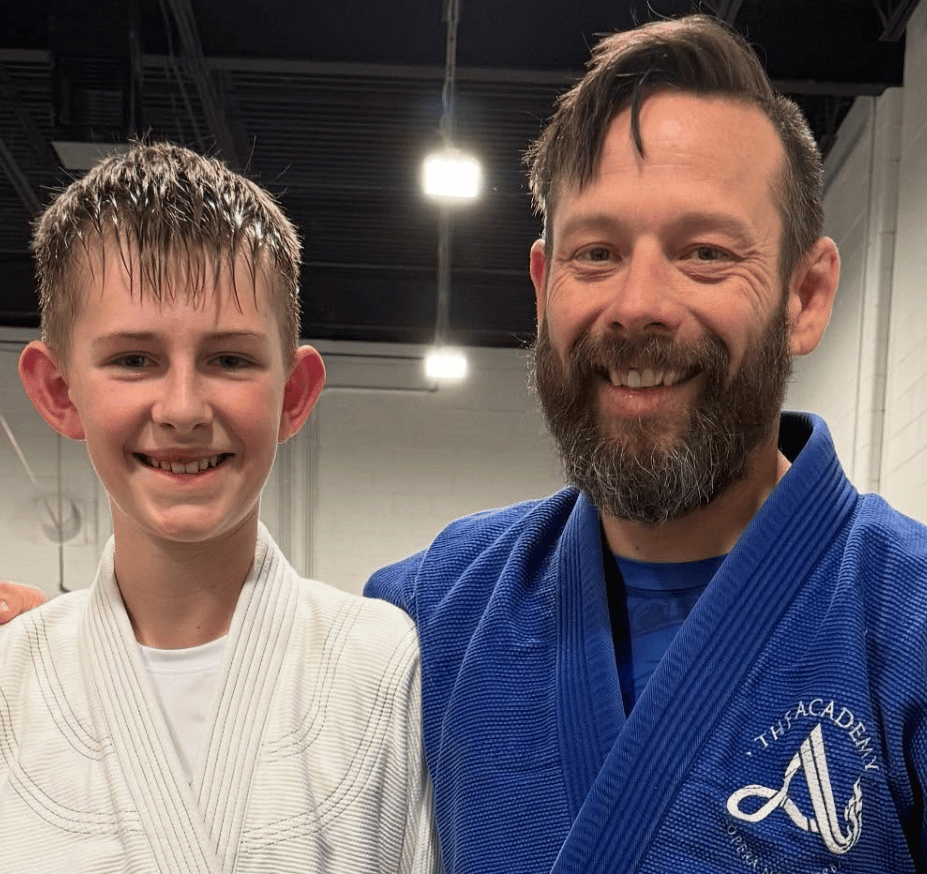
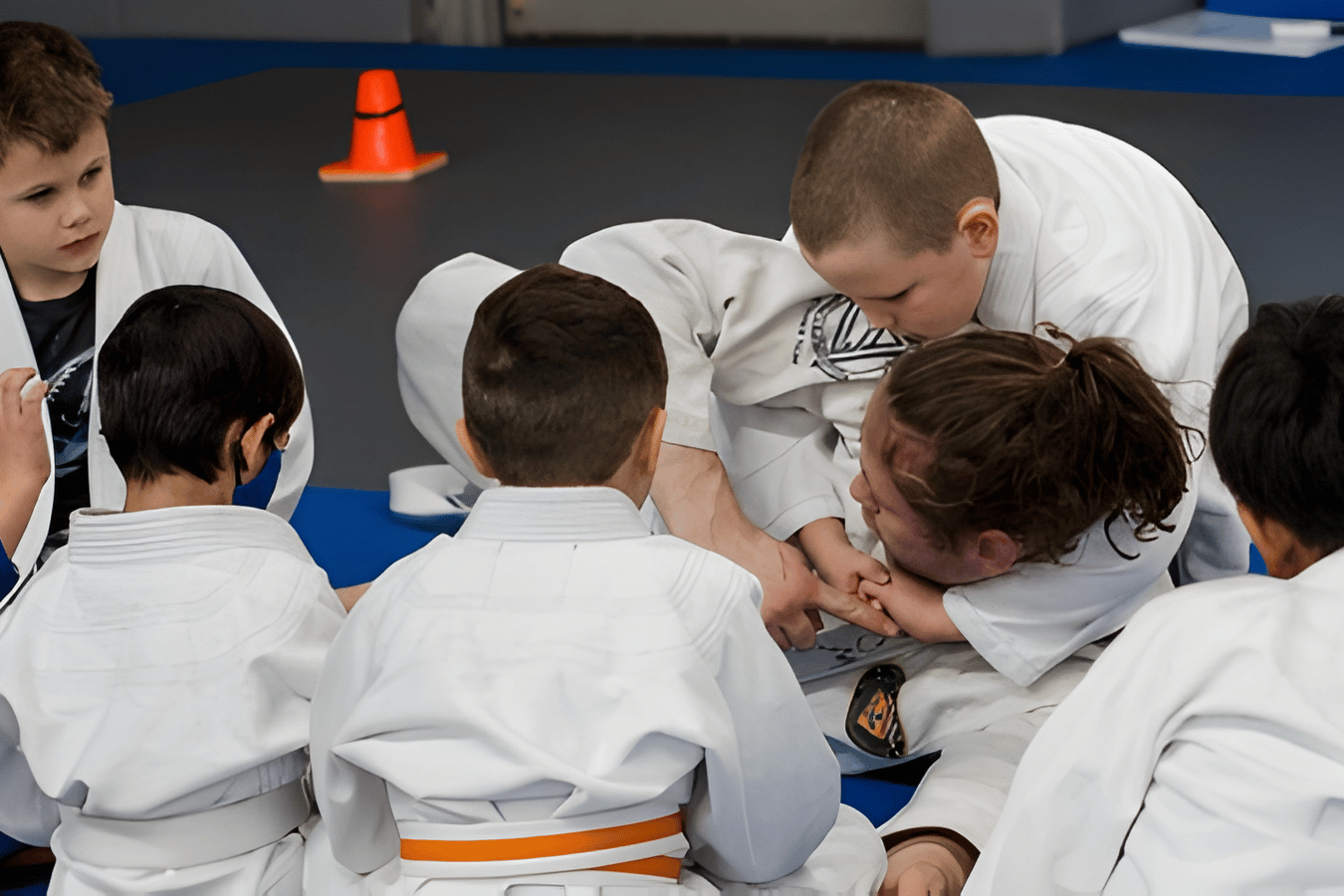
Youth Brazilian Jiu-Jitsu in Minneapolis, MN is often less about fighting and more about skills kids can carry anywhere: listening, body awareness, resilience, and respectful boundaries. Our youth classes are structured so kids learn safely with age-appropriate drills and clear expectations.
In a first youth class, we keep things simple and positive. Kids learn how to line up, follow instructions, and practice basic movements. We also teach how to be a safe partner, which matters just as much as learning a technique.
Parents typically notice benefits in three areas:
- Confidence that is earned, not just talked about
- Better emotional regulation under mild pressure
- Improved coordination and balance over time
If you are considering a family routine where kids and adults both train, we can help you map out a schedule that makes sense and does not feel like a logistical nightmare.
What makes training feel welcoming: community and coaching style
Your first Brazilian Jiu-Jitsu class should not feel like you are being tested. It should feel like you are being coached. We set the tone by emphasizing learning, not ego. That affects everything: partner selection, pacing, and how we talk about mistakes.
We also know many Minneapolis students are busy professionals, parents, and students. Consistency matters more than crushing workouts. When you train in a way you can sustain, your fitness improves, your stress drops, and your confidence grows in a grounded way.
You might even be surprised by how mentally refreshing it feels. You cannot scroll your phone while someone is passing your guard. For an hour, you are just here, focused, solving problems. For a lot of people, that is the best part.
Ready to Begin
When you walk into your first class, we want you to leave with three things: a clear idea of how Brazilian Jiu-Jitsu works, a sense of what to practice next, and the feeling that you can absolutely do this. Starting is the hardest step, and it gets easier quickly once you understand the structure and expectations.
At The Academy Eden Prairie, we serve the greater Minneapolis area with beginner-friendly coaching, safety-first training habits, and programs that make it realistic to stick with BJJ past those early weeks where many people drift away. If you are ready to try a class, we will guide you through the first day in a way that feels challenging but manageable.
Experience how consistent training can build resilience and focus at Academy Eden Prairie.