Brazilian Jiu-Jitsu turns everyday pressure into a skill you can practice, measure, and carry with you.
Brazilian Jiu-Jitsu is growing fast across the US, and we see the reason on the mat every day: it teaches you how to stay useful when things get uncomfortable. That might sound dramatic, but the training is actually pretty practical. You learn how to breathe under pressure, solve problems with limited options, and keep moving when your first idea does not work.
In Minneapolis, life is busy, seasons are real, and stress finds its way into schedules. Our classes give you a structured place to train resilience on purpose. You do not need to be aggressive or athletic to start. You just need enough curiosity to show up and try, and we take it from there.
We also like that Brazilian Jiu-Jitsu is honest. If your posture breaks, you feel it. If your timing is off, you learn quickly. That feedback loop builds the kind of resilience that transfers into work, parenting, school, and just handling a hard day without spiraling.
What resilience really means in Brazilian Jiu-Jitsu
Resilience is not toughness for its own sake. In our room, resilience means you can stay calm, make a decision, and keep your body working even while your brain wants to quit. Brazilian Jiu-Jitsu gives you a safe, controlled way to experience pressure, then practice responding to it with better choices.
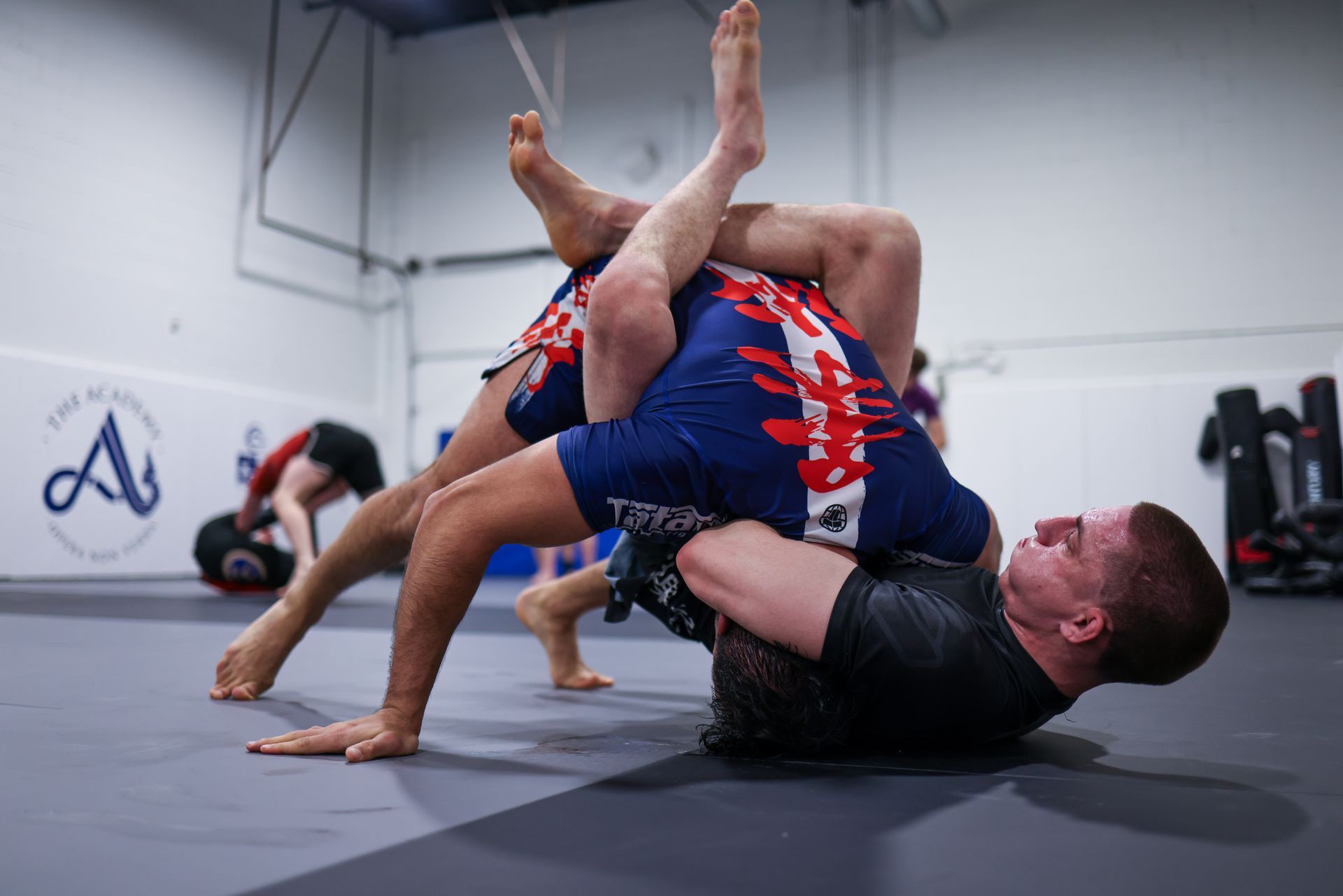
The simplest example is getting stuck under someone in side control. It is uncomfortable, and you cannot muscle your way out if the person knows what we teach. You learn to frame, create space, recover guard, and reset. That process is physical, but it is also mental training: assess, breathe, execute, and accept small wins.
Over time, you start noticing a change. Hard moments feel more familiar. You do not panic as quickly. You can hear coaching, think one step ahead, and keep your composure. That is real-world resilience, built rep by rep.
Why Minneapolis adults are choosing this style of training
Adult life rarely offers clean progressions. Work projects shift, family needs change, and fitness routines get interrupted. One reason Brazilian Jiu-Jitsu in Minneapolis, MN keeps pulling adults in is that the training meets you where you are, then gives you a clear path forward.
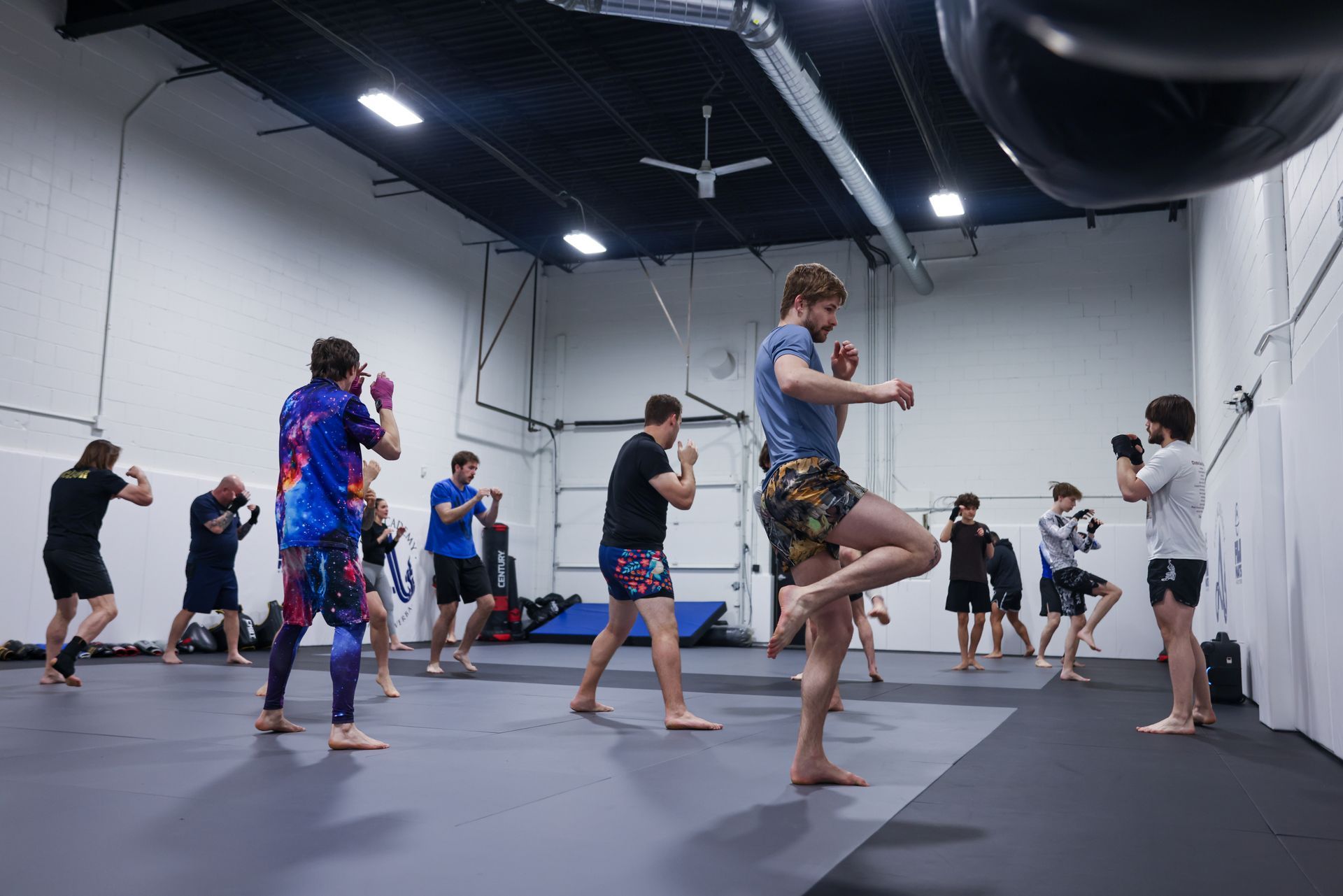
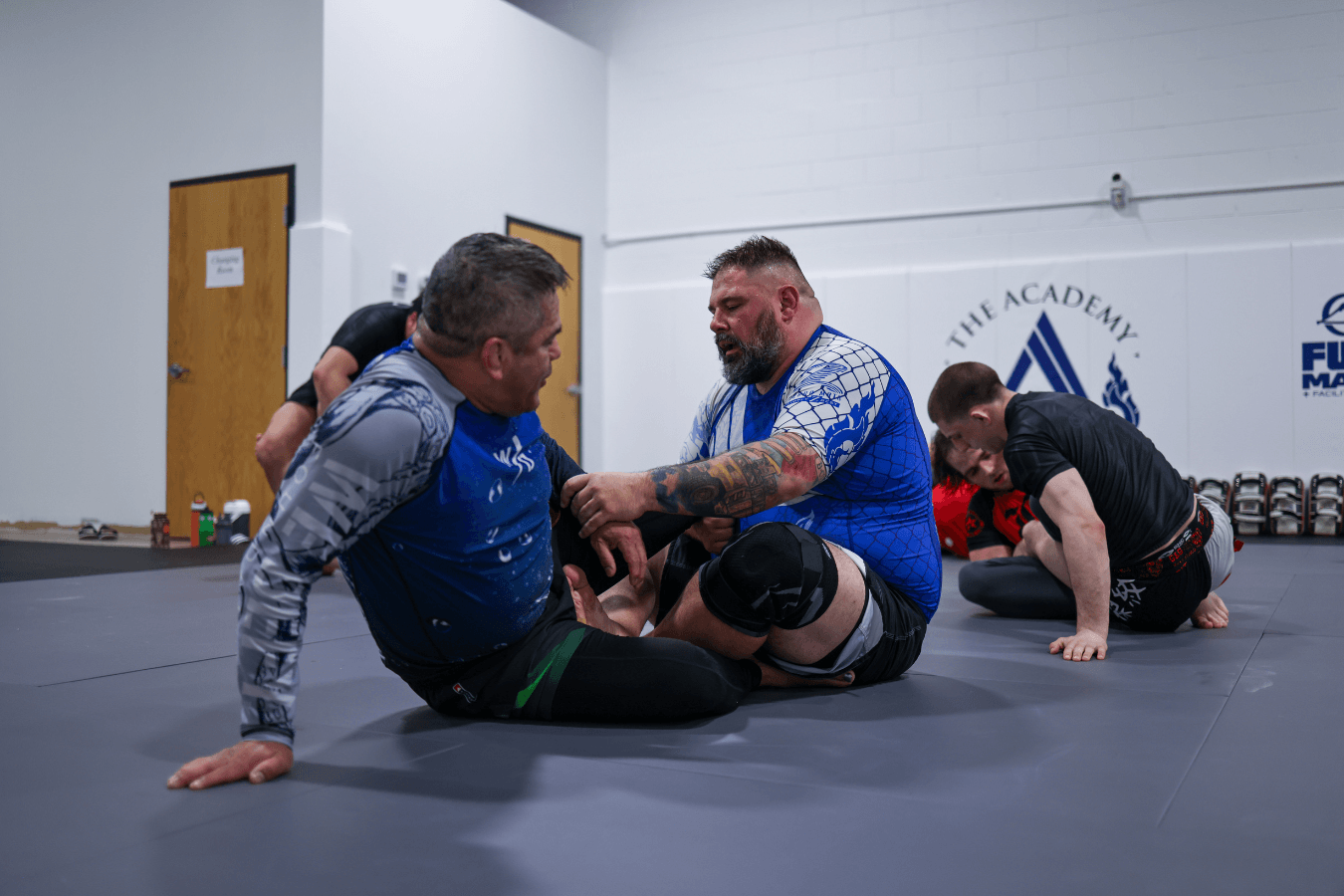
We use structured classes so you are not guessing what to do next. You learn foundational movements, repeat them enough to own them, and then pressure-test them in controlled sparring. That structure matters for retention, especially because beginners can feel lost in grappling if the curriculum is random.
There is also a community factor that is hard to fake. You partner up, you troubleshoot together, and you get coached through frustrating moments. Some people come in for fitness, some come in for self-defense, and some come in because stress is loud and they want a place where the mind quiets down. The nice surprise is that these goals can overlap.
The physiology of staying calm under pressure
Resilience is not only mindset. Your body has to cooperate. Brazilian Jiu-Jitsu demands cardiovascular effort, muscular endurance, and coordination, but it also teaches pacing. If you go all-out every round, you gas out. If you hold your breath, you fade. The mat punishes frantic effort and rewards smart effort.
Research and practitioner surveys point to broad benefits: improved cardiovascular health, strength, endurance, focus, and stress reduction. We see that play out in simple ways, like students sleeping better, feeling steadier during stressful weeks, and recovering confidence in what their body can do.
This is especially relevant for people who carry stress in a heavy way, including veterans and first responders. Studies highlight BJJ as supportive for PTSD management and community integration because it combines physical challenge with a social training environment. We take that seriously by keeping our coaching clear, our culture respectful, and our intensity scalable.
Problem-solving is the real superpower
When people ask what makes Brazilian Jiu-Jitsu different, we usually point to problem-solving. Every position is a puzzle. Every opponent gives you a new set of variables: posture, balance, grips, speed, and reactions. You learn to recognize patterns, choose a plan, and adjust when the plan breaks.
That adjustment piece is resilience in plain language. It is the ability to say, okay, that did not work, now what? Instead of taking failure personally, you treat it like information. You try again with a smaller change: different angle, better timing, tighter frame.
And yes, it can be humbling. But it is humbling in a productive way. You get immediate feedback, and you also get immediate opportunities to improve. That is why even people who never plan to compete still love training.
How we teach safety, longevity, and confidence
Brazilian Jiu-Jitsu has real injury risks, and we do not pretend otherwise. Grappling includes joints, pressure, and speed changes, so smart coaching matters. Our goal is to help you train for years, not just for a few intense months.
We build safety into the process by emphasizing control, communication, and fundamentals before chaos. We also coach you on how to be a good training partner, which is a skill in itself. If you can roll with control, you can learn faster and stay healthier.
Here is what we focus on to keep training accessible for adults:
• Clear tapping culture so you can exit bad positions without ego or delay
• Progressive sparring options, from positional rounds to open rounds as you are ready
• Technique-first classes where you learn mechanics before you add intensity
• Warmups that support joints and mobility instead of exhausting you for no reason
• Coaching cues that prioritize posture, frames, and alignment to reduce strain
If you are nervous about starting, that is normal. We would rather you start cautious and consistent than try to prove something on day one.
Gi vs no-gi and what each teaches about resilience
A common question is whether you should train in the gi, no-gi, or both. Our view is that each format teaches resilience a little differently, and both can serve you well.
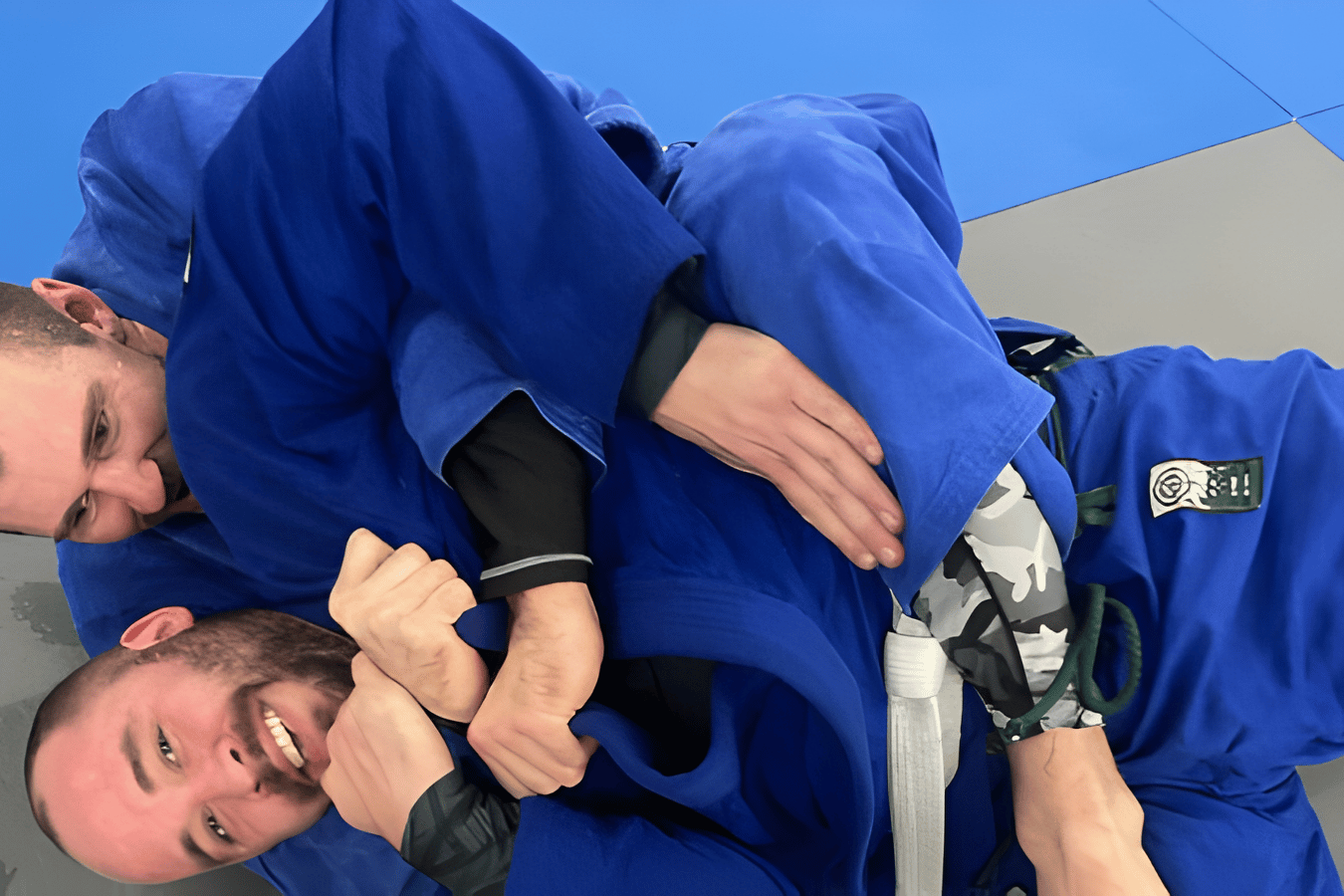
The gi slows things down and rewards grip fighting, control, and patience. It forces you to solve problems with tight technique. No-gi tends to be faster, with more emphasis on movement, wrestling-style control, and slippery scrambles. Recent research discussions from 2022 to 2024 also note how no-gi is professionalizing as a distinct discipline, while the gi remains a technical laboratory for control.
If your goal is real-world resilience, the best choice is the one that keeps you training consistently. We help you understand the rule sets, the pacing, and the tactics so you do not feel like you are walking into chaos either way.
Competition is optional, but the mindset is useful
A lot of people assume you have to compete to be a real student. You do not. Surveys show a meaningful chunk of practitioners compete, with a 2024 to 2025 survey of nearly 2,000 people reporting 43.6 percent competed in the past two years, but that still leaves plenty who train for personal goals. Even among non-competitors, the benefits are real.
That said, the competition mindset can be useful even if you never step into a bracket. It teaches preparation, recovery, focus, and how to manage nerves. We use those lessons in everyday training: showing up on days you are tired, staying coachable, and learning to perform basic skills when you feel pressure.
If you do want to compete, we can guide you through what to expect, how to structure rounds, and how to avoid burning out. If you do not, we still train you in a way that builds confidence and competence.
What a beginner path looks like in our adult program
Adult Brazilian Jiu-Jitsu in Minneapolis, MN works best when you have a plan, especially early on. We structure learning so you can track progress without overthinking it. The first goal is not to collect submissions. It is to understand positions, safety, and movement.
A practical beginner progression usually looks like this:
1. Learn base positions like guard, side control, mount, and back control so you know where you are
2. Practice survival skills like framing, escaping, and re-guarding to stay calm when pinned
3. Add simple attacks that match your body type and comfort level, then repeat them until they stick
4. Start positional sparring so you can test skills with constraints and clear feedback
5. Gradually increase open sparring as your timing improves and your confidence catches up
That progression is resilience training disguised as martial arts. You learn to handle bad spots, reset, and keep improving without needing perfect conditions.
Technology, video feedback, and smarter training trends
BJJ is evolving, and we pay attention to what helps people train better and safer. Across the sport, technology is showing up through motion capture and biomechanics analysis to improve efficiency and reduce injuries. While not every class needs a lab coat vibe, the principle is solid: measure what matters, refine movement, and avoid pointless wear and tear.
We use simple, modern tools where they make sense, especially video feedback and structured tracking. When you can see your posture break or your hips drift off angle, you correct faster. It also makes training feel less mysterious, which helps new students stick with it.
Hybrid models are also growing in martial arts, and we understand why. Schedules change. Travel happens. Sometimes you need to review details between classes. We support learning beyond the mat with resources that help you stay connected to the curriculum and keep momentum.
How resilience shows up off the mat
The best part is when you notice the changes outside the gym. Students tell us they handle conflict at work with a calmer tone. Parents notice they do not react as fast when something goes sideways. Some people find that training gives them a reliable mental reset, like the world gets quieter for an hour.
Brazilian Jiu-Jitsu in Minneapolis, MN also builds resilience through community. You learn names, you learn trust, and you learn how to be a good partner even when you are tired. That skill, cooperating under pressure, is not just a nice idea. It is a real advantage in life.
We cannot promise every day will feel easy. But we can promise the process is steady. You show up, you learn, you get a little better, and you carry that capability with you.
Take the Next Step
Building resilience is not a motivational quote, it is a practice, and our mat is where you can practice it safely and consistently. At The Academy Eden Prairie, we teach Brazilian Jiu-Jitsu with a structured approach that helps you build skill, confidence, and composure that actually shows up when life feels tight.
If you are looking for Adult Brazilian Jiu-Jitsu in Minneapolis, MN, our classes are designed to meet you at your current level, keep you training smart, and help you grow into the kind of person who can adapt under pressure, without needing hype to get there.
Take your first step onto the mats and begin training at Academy Eden Prairie today.